


Water Testing Malaysia and Water Quality Measurement Services
Accurate water testing helps businesses understand water quality, identify potential treatment issues and make informed decisions about water treatment and system management.
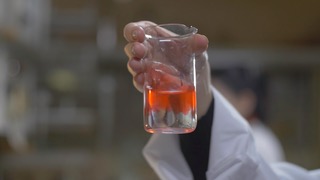
Insignia Water provides water testing Malaysia services for industrial and commercial applications, including cooling water, boiler water, process water and wastewater. Testing can be carried out through laboratory analysis and on-site measurement, depending on the system and parameters being assessed.
Our Water Testing Services
Different water systems require different testing parameters. Insignia Water can assess key physical and chemical characteristics of water to support treatment, monitoring and operational control.
Chemical Water Analysis
Common water quality parameters include:
- pH
- Conductivity
- Total Dissolved Solids (TDS)
- Hardness
- Alkalinity
- Chloride
- Silica
- Iron
- Dissolved oxygen
These measurements can help assess water stability and identify conditions associated with scaling, corrosion or other treatment requirements.
Wastewater Testing
Wastewater analysis can include parameters such as:
- Biochemical Oxygen Demand (BOD)
- Chemical Oxygen Demand (COD)
- Suspended solids
- Oil and grease
- pH
The appropriate parameters depend on the type of wastewater, treatment process and monitoring requirements.
Microbiological Testing
Microbiological analysis can help identify biological activity in water systems. This is particularly relevant to applications where microbial growth may contribute to biofouling, water-quality problems or reduced system performance.
On-Site Water Testing
On-site measurement allows selected water-quality parameters to be assessed directly at the facility. Depending on the application, measurements can include:
- pH
- Conductivity
- Turbidity
- Oxidation-Reduction Potential (ORP)
- Temperature
On-site measurements can provide immediate information for operational monitoring and treatment management.
Why Water Testing Matters
Water quality can change over time because of variations in incoming water, operating conditions, chemical dosing and system performance. Regular testing provides data that can help businesses respond to these changes.
Protect Water Treatment Equipment
Testing can identify water-quality conditions associated with scale, corrosion, fouling and other issues that may affect boilers, cooling towers, heat exchangers, membranes and piping.
Improve Chemical Dosing
Water analysis provides information that can help determine whether treatment chemicals are being applied appropriately. This supports more controlled dosing rather than relying solely on assumptions about water conditions.
Detect Water Quality Changes
Regular measurements can identify changes in parameters such as pH, conductivity, turbidity and dissolved solids before they develop into larger treatment or operational problems.
Support Wastewater Management
Wastewater testing provides information about the characteristics of treated effluent and can support treatment process monitoring and environmental management.
Support Equipment Reliability
Maintaining suitable water conditions can help reduce the risk of scale, corrosion and fouling that may contribute to equipment problems and maintenance requirements.
Water Testing for Different Industrial Applications
Insignia Water provides water testing and measurement for different industrial water systems, with testing parameters selected according to the system, treatment process and operational requirements.
Cooling Water Testing
Cooling towers and related cooling systems require controlled water chemistry to help manage scale, corrosion and microbial growth. Testing key water-quality parameters can help identify changes in system conditions and support an appropriate cooling tower and chiller water treatment programme.
Boiler Water Testing
Boiler water testing helps monitor water chemistry and identify conditions that may contribute to scale, corrosion, sludge and other boiler-water problems. Test results can support the selection and adjustment of an appropriate boiler water treatment programme.
Process Water Testing
Process water quality can affect manufacturing processes, equipment and other production requirements. Testing can help determine whether water conditions remain suitable for the intended application and identify changes that may require further treatment or monitoring.
Wastewater Testing
Wastewater testing provides information about characteristics such as biochemical oxygen demand (BOD), chemical oxygen demand (COD), suspended solids, oil and grease, and pH. The appropriate testing parameters depend on the wastewater source, treatment process and monitoring requirements. Where treatment is required, testing results can help support an appropriate wastewater treatment system.
Water Quality Monitoring and Digital Solutions
For systems requiring ongoing monitoring, digital technologies can complement conventional water testing by providing more frequent visibility of selected water-quality parameters.
Depending on the monitoring system and application, parameters may include:
- pH: Indicates the acidity or alkalinity of water and is an important parameter for many treatment processes.
- Conductivity: Provides an indication of the concentration of dissolved ionic substances in water.
- TDS: Indicates the total concentration of dissolved substances and can be used alongside conductivity measurements for water-quality monitoring.
- Turbidity: Indicates the presence of suspended and colloidal particles that affect water clarity.
- ORP: Measures the oxidation-reduction condition of water and can be useful for monitoring certain disinfection and treatment processes.
- Temperature: Provides an important operating parameter for many water-treatment systems.
Digital monitoring can support faster identification of changes in water conditions and help operators make more informed treatment decisions.
How Water Testing Supports Water Treatment
Water testing and water treatment work together.
A typical treatment-management cycle can be viewed as:
Test → Assess → Treat → Monitor → Adjust
Water analysis provides information about the current condition of the system. The results can then be used to assess treatment requirements, select or adjust treatment measures, monitor changes and determine whether the treatment programme is performing as intended.
For example, water testing can support treatment programmes involving:
- Scale control
- Corrosion control
- Microbial control
- Chemical dosing
- Reverse osmosis pretreatment
- Wastewater treatment
- Water recycling and reuse
This makes testing an important part of an effective water management programme rather than a standalone measurement activity.
Industries We Support
Water testing can be applied across different industrial and commercial environments, including:
- Manufacturing facilities
- Semiconductor and electronics facilities
- Food and beverage processing
- Commercial buildings and HVAC systems
- Hospitals and healthcare facilities
- Hotels and hospitality
- Chemical and petrochemical facilities
- Power generation facilities
The appropriate testing parameters and frequency depend on the water source, system type, treatment process and operational requirements.
Customised Water Testing Programmes
There is no single testing schedule or parameter list that applies to every water system.
An appropriate testing programme should consider:
- Water source
- System design
- Type of equipment
- Treatment chemicals being used
- Operating conditions
- Existing water-quality issues
- Treatment objectives
- Monitoring requirements
Insignia Water can provide testing and measurement solutions according to the requirements of the water system, helping businesses obtain relevant information for treatment and operational decisions.
Get Professional Water Testing Support in Malaysia
Reliable water treatment starts with understanding the condition of the water system.
Whether you require industrial water testing, boiler water testing, cooling water testing, process water analysis or wastewater testing, Insignia Water can provide testing and measurement solutions based on your system requirements.
Contact Insignia Water to discuss your water testing requirements in Malaysia.
Frequently Asked Questions (FAQs)
What does water testing in Malaysia involve?
Water testing involves analysing selected physical, chemical or microbiological characteristics of a water sample. Depending on the application, testing may include parameters such as pH, conductivity, TDS, hardness, alkalinity, chloride, silica, BOD, COD, suspended solids and other relevant indicators.
What types of water does Insignia Water test?
Insignia Water provides testing for cooling water, boiler water, process water and wastewater. The appropriate parameters depend on the type of water system, treatment process and purpose of the analysis.
How often should industrial water be tested?
Testing frequency depends on the water system, operating conditions, treatment programme and monitoring requirements. Rather than applying one fixed schedule to every facility, testing should be determined according to the risks and characteristics of the specific system.
Can water testing help reduce chemical consumption?
Yes. Testing provides data about actual water conditions, which can help operators assess and adjust chemical dosing. This can reduce the risk of unnecessary or insufficient treatment while supporting the intended performance of the water treatment programme.
Does Insignia Water provide on-site water testing?
Yes. Insignia Water provides on-site testing and laboratory analysis for different water-treatment applications. On-site measurement can provide immediate information about selected parameters, while laboratory testing can support more detailed analysis depending on the requirements of the water system.