


Wastewater Treatment System Malaysia
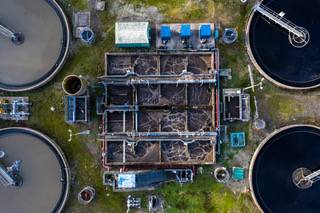
Insignia Water provides wastewater treatment systems and technologies for industrial and commercial facilities in Malaysia. Our wastewater treatment solutions combine chemical and biological treatment processes to treat effluent for controlled discharge or, where appropriate, high-quality water recycling.
Our wastewater treatment approach can incorporate Moving Bed Biofilm Reactor (MBBR) technology, chemical dosing, coagulation and flocculation, clarification, treatment monitoring and performance testing. The treatment configuration is selected according to wastewater characteristics, treatment requirements and the intended discharge or reuse application.
Industrial Wastewater Treatment Using MBBR Technology
Wastewater from industrial operations can contain suspended solids, organic pollutants and other contaminants that require different treatment stages. A suitable treatment system combines physical, chemical and biological processes according to the characteristics of the effluent.
Insignia Water’s wastewater treatment technology incorporates MBBR biological treatment, using high-surface-area polyethylene carrier media to provide a surface for biofilm growth.
Within the MBBR process, microorganisms attached to the carrier media biologically break down organic matter. This treatment stage can help reduce biodegradable organic loading measured through parameters such as Biochemical Oxygen Demand (BOD) and contribute to overall Chemical Oxygen Demand (COD) reduction.
MBBR can also provide a compact biological treatment configuration compared with some conventional biological treatment arrangements, although the required footprint depends on wastewater characteristics, treatment objectives and system design.
How Our Wastewater Treatment System Works
The treatment process is configured according to the characteristics of the wastewater and the required treated-water quality. A typical process incorporating Insignia Water’s WWT & MBBR approach includes the following stages.
- Equalization
Wastewater is first equalized to help balance variations in effluent flow and chemistry before downstream treatment.
Equalization provides a more consistent feed to subsequent treatment stages, helping the system handle changes in wastewater characteristics more effectively.
- Coagulation and Flocculation
Chemical treatment is used to destabilize suspended particles and promote their separation from the wastewater.
Poly Aluminium Chloride (PAC) can be dosed as a primary coagulant to destabilize suspended particles and encourage the formation of flocs. Polymers may also be used as flocculants to help form larger and more readily settleable flocs where required.
- Biological Treatment with MBBR
The wastewater then enters the biological treatment stage, where high-surface-area polyethylene carriers provide a surface for microorganisms to grow as biofilm.
Under suitable operating conditions, the microorganisms biodegrade organic matter in the wastewater. Dissolved oxygen is important in aerobic MBBR operation because the microorganisms require oxygen for biological treatment.
Monitoring parameters such as BOD and COD helps evaluate the effectiveness of the biological treatment process.
- Clarification
Following biological treatment, clarification separates treated water from settleable solids.
The clarification stage helps remove the flocs and biological solids formed during the preceding treatment stages before the treated water proceeds to subsequent discharge, disinfection or reuse processes where required.
Chemicals Used in Wastewater Treatment
Chemical selection and dosing play an important role in wastewater treatment. Insignia Water supplies wastewater treatment chemicals for applications involving coagulation, flocculation, pH adjustment, biological treatment and other treatment requirements.
Poly Aluminium Chloride (PAC)
PAC is used as a primary coagulant to destabilize suspended particles and promote the formation of flocs. These larger particles can then be separated during clarification.
Polymers
Polymers may be used as flocculants alongside PAC to help bridge smaller particles into larger flocs that are easier to settle and separate.
pH Adjustment Chemicals
Chemicals such as caustic soda or sulfuric acid may be used to adjust wastewater pH where required. Maintaining suitable pH conditions is important for effective chemical treatment and biological treatment in the MBBR stage.
Disinfection Chemicals
Where disinfection is required, calcium hypochlorite can be used as a chlorine-based disinfectant to reduce microorganisms before final discharge or reuse, subject to the treatment requirements of the application.
Nutrients
Biological treatment may require adequate nutrients to support microorganism growth. Urea or phosphoric acid may be added where the wastewater does not contain sufficient nutrients for the biological treatment process.
Real-Time Monitoring for Wastewater Treatment
Effective wastewater treatment requires more than treatment equipment alone. Monitoring key operating parameters helps operators understand treatment conditions, assess performance and make appropriate adjustments to the treatment process.
Insignia Water’s wastewater treatment approach incorporates digitalisation and monitoring for treatment optimisation.
pH Sensor
Continuous pH monitoring helps track acidity and alkalinity within the treatment process. Maintaining an appropriate pH range is important for chemical treatment and biological activity in the MBBR system.
Turbidity Sensor
Turbidity monitoring provides an indication of water clarity and suspended particles following treatment and clarification. Changes in turbidity can help identify changes in treatment performance and coagulation effectiveness.
Dissolved Oxygen Sensor
Dissolved oxygen monitoring is particularly important for aerobic MBBR treatment. Maintaining suitable oxygen conditions supports the microorganisms responsible for biological treatment.
Chemical and Dosing Monitoring
Monitoring chemical dosing and treatment conditions can help optimise chemical usage and reduce the risk of unnecessary dosing. The specific monitoring configuration depends on the treatment system and instrumentation installed.
Wastewater Treatment Performance Testing
Treatment performance needs to be evaluated using measurable water-quality parameters. Insignia Water also provides water quality testing and measurement capabilities to support monitoring and assessment of treatment performance.
Key parameters include:
BOD
Biochemical Oxygen Demand (BOD) indicates the amount of dissolved oxygen consumed by microorganisms as they biodegrade organic matter. BOD is an important parameter for evaluating biological wastewater treatment performance.
COD
Chemical Oxygen Demand (COD) measures the oxygen equivalent associated with chemically oxidizable substances in wastewater. COD can be used alongside BOD to assess changes in organic loading and treatment performance.
TSS
Total Suspended Solids (TSS) measures suspended particulate matter in wastewater. Monitoring TSS helps assess the effectiveness of processes such as coagulation, flocculation and clarification.
Ammoniacal Nitrogen
Ammoniacal Nitrogen (NH₃-N) measures nitrogen presents in ammoniacal forms. Monitoring this parameter is important where nitrogen control forms part of the wastewater treatment requirements.
The appropriate testing parameters depend on the wastewater source, applicable discharge requirements and treatment objectives.
Supporting Wastewater Discharge Requirements in Malaysia
Industrial wastewater discharge in Malaysia is regulated under the Environmental Quality Act 1974 and the Environmental Quality (Industrial Effluents) Regulations 2009. The Department of Environment provides requirements covering industrial effluent discharge, including limits for parameters such as BOD, suspended solids, ammoniacal nitrogen and other regulated substances.
Insignia Water’s wastewater treatment solutions are designed to support treatment and monitoring requirements relevant to industrial effluent management.
Actual treatment performance and compliance depend on the wastewater characteristics, system design, operating conditions, applicable requirements and verified test results. A wastewater treatment system should therefore be evaluated based on the specific effluent being treated rather than assuming that one treatment configuration will suit every facility.
Wastewater Treatment for Discharge or Water Recycling
Not every treated effluent stream has the same end-use requirement. Some facilities require treatment for controlled discharge, while others may seek to recover treated wastewater for suitable industrial applications.
Where water reuse is required, additional treatment may be incorporated according to the quality required for the intended reuse application. Insignia Water also provides industrial water recycling solutions for facilities looking to treat wastewater for suitable industrial applications.
Insignia Water’s water recycling offering describes the treatment of industrial wastewater for reuse in applications such as cooling tower makeup water, equipment and facility cleaning, non-critical process applications and other suitable uses depending on the quality achieved.
Why MBBR Can Be Considered for Industrial Wastewater Treatment
MBBR is a biological treatment approach that uses mobile carrier media to support biofilm growth. For facilities considering biological treatment, the technology can offer several practical characteristics:
- High-surface-area carrier media provide surfaces for biofilm growth.
- Biological treatment helps microorganisms break down biodegradable organic matter.
- Compact configurations can be possible compared with some conventional biological treatment arrangements.
- Process monitoring through parameters such as dissolved oxygen, pH, BOD and COD helps operators assess treatment conditions and performance.
- Integration with chemical treatment allows coagulation, flocculation and biological treatment to work as complementary stages where required.
The suitability of MBBR depends on the wastewater characteristics and treatment objectives. System sizing and process configuration should therefore be determined from the actual application rather than from technology selection alone.
Integrated Wastewater Treatment Support from Insignia Water
Wastewater treatment often requires more than a single piece of equipment or a single chemical.
Insignia Water’s wider water-treatment portfolio includes water treatment chemicals, industrial water treatment systems, dosage and control equipment, water-quality test kits, meters and laboratory equipment. The company also identifies raw and wastewater treatment chemicals and metering pumps with automatic dosing systems among its products.
This broader capability supports a treatment approach that connects:
Wastewater Characterisation → Chemical Treatment → Biological Treatment → Clarification → Monitoring → Performance Testing → Discharge or Reuse
For facilities evaluating a wastewater treatment system in Malaysia, understanding the wastewater characteristics and required treated-water quality is an important first step in determining the appropriate treatment process.
Discuss Your Wastewater Treatment Requirements
The appropriate wastewater treatment system depends on factors such as the wastewater source, flow characteristics, pollutant loading, required treatment performance and intended discharge or reuse application.
Insignia Water can help businesses evaluate wastewater treatment requirements and identify suitable treatment technologies, chemical treatment and monitoring approaches for their application.
Contact Insignia Water to discuss your wastewater treatment system requirements in Malaysia.
Frequently Asked Questions (FAQs)
What information should I prepare before asking for a wastewater treatment system?
The most useful information includes the wastewater source, approximate flow rate, existing treatment process, known water-quality parameters and the intended discharge or reuse requirement. Test results for parameters such as BOD, COD, TSS and ammoniacal nitrogen can help determine the treatment requirements more accurately.
Can an MBBR system treat industrial wastewater on its own?
MBBR is a biological treatment stage, so it is not necessarily a complete wastewater treatment system by itself. Depending on the wastewater characteristics and required treated-water quality, MBBR may need to be integrated with equalization, coagulation, flocculation, clarification, disinfection or other treatment stages.
How do I know whether PAC or polymer dosing is needed?
PAC and polymers serve different functions in coagulation and flocculation, and their suitability depends on the wastewater characteristics. Jar testing or other treatment evaluation can help determine appropriate chemical selection and dosing. The actual chemical programme should be based on the wastewater rather than assuming the same dosage for every application.
Can the wastewater treatment system be used for water recycling?
Yes, treated wastewater can potentially be recovered for suitable industrial reuse applications, but the required treatment level depends on the intended use. Applications such as cooling tower makeup, cleaning or non-critical process water can have different quality requirements, so the recycling process should be designed around the intended reuse application.
Does MBBR always require less space than a conventional wastewater treatment plant?
Not necessarily. MBBR can provide a compact biological treatment configuration compared with some conventional biological treatment arrangements, but the actual footprint depends on flow, pollutant loading, treatment objectives, reactor sizing and the overall treatment process. A system should therefore be sized from the specific wastewater characteristics rather than footprint alone.
Which wastewater parameters should be monitored after treatment?
The appropriate parameters depend on the wastewater source and applicable requirements. Insignia Water highlights BOD, COD, TSS and ammoniacal nitrogen among its wastewater treatment performance parameters. Additional parameters may be required depending on the contaminants present, the discharge requirements and the intended reuse application.