


Cooling Tower Water Treatment Malaysia
Effective cooling water treatment helps maintain heat-transfer efficiency, control scale and corrosion, and manage microbial growth in cooling towers and chiller systems.
Insignia Water provides cooling water chemical treatment and chiller water treatment programmes based on system conditions, water quality and operating requirements. Solutions can combine treatment chemicals, automated dosing, water testing and ongoing monitoring.
Cooling Water Chemical Treatment
Cooling towers and open cooling systems are exposed to air, make-up water and environmental contaminants, making them susceptible to scale, corrosion, suspended solids and microbiological growth.
Insignia Water’s chemical treatment programmes can include:
- Scale Control: Helps reduce mineral deposits on heat-transfer surfaces and equipment.
- Corrosion Control: Helps protect metal components such as steel, copper and galvanised surfaces from corrosion and pitting.
- Microbial Control: Helps manage algae, bacteria, slime and other biological growth that can contribute to fouling.
- Dispersant Treatment: Helps keep suspended solids and biological debris dispersed to reduce deposit formation in the system.
Insignia Water’s water treatment chemicals can be selected according to water chemistry, system design and operating conditions.
Cooling Tower Water Treatment
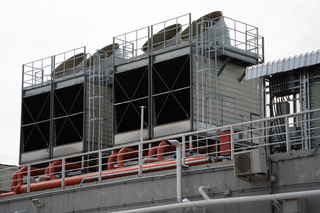
Cooling tower treatment requires continuous control of water chemistry because water is repeatedly circulated, concentrated and exposed to the surrounding environment.
A typical treatment programme may include:
Scale and Corrosion Inhibitors
Treatment chemicals help control mineral precipitation and corrosive conditions that can affect cooling tower components and heat-transfer surfaces.
Oxidizing Biocides
Oxidizing biocides such as chlorine- or bromine-based treatments can be used for microbial control. Dosing requirements depend on system conditions and the selected treatment programme.
Non-Oxidizing Biocides
Non-oxidizing biocides can be used as part of a broader microbiological control programme, including periodic treatment where appropriate.
Polymeric Dispersants
Dispersants help keep suspended solids, silt and other deposits dispersed in the circulating water, reducing their tendency to settle in low-flow areas.
Chiller Water Treatment
Chiller and closed-loop cooling systems require appropriate water chemistry to protect heat exchangers, piping and other components.
Chiller water treatment may address:
- Corrosion and metal loss
- Scale formation
- Suspended solids and fouling
- Microbiological growth where applicable
- Water chemistry control
Treatment requirements depend on whether the system is open or closed, the materials used, water quality and operating conditions.
Our Cooling Water Treatment Process
Insignia Water can assess the condition of the cooling system before establishing an appropriate treatment programme.
1. System Assessment
Water quality and system conditions are assessed to establish a baseline for treatment. This may include analysis of make-up water and circulating water.
2. Initial Treatment
Where existing scale, fouling or microbiological growth requires attention, appropriate treatment measures can be applied before establishing the ongoing programme.
3. Chemical Dosing
Selected scale and corrosion inhibitors, biocides or dispersants are dosed according to the treatment requirements of the system.
4. Testing and Monitoring
Regular water testing helps monitor treatment performance and identify changes in water chemistry. Dosing and cooling-system operating parameters can then be adjusted where required.
Why Cooling Water Treatment Matters
Maintain Heat-Transfer Efficiency
Scale, deposits and biological fouling can reduce heat-transfer performance. Keeping heat-transfer surfaces cleaner helps support efficient cooling-system operation.
Control Corrosion
Appropriate water chemistry and corrosion inhibitors can help reduce corrosion and pitting of cooling-system components.
Manage Microbial Growth
Cooling water provides conditions that can support microbial growth. Appropriate biocide treatment and monitoring help manage biological fouling and support system hygiene.
Reduce Water Waste
Monitoring water chemistry and controlling cycles of concentration can help manage blowdown requirements and reduce unnecessary water consumption.
Protect Equipment
Controlling scale, corrosion and fouling can help protect cooling towers, chillers, heat exchangers, piping and associated equipment from premature deterioration.
Automated Dosing, Water Testing and Measurement
For systems requiring more consistent treatment control, automated dosing, testing and measurement can help manage chemical application according to measured operating conditions.
Depending on the system and equipment installed, testing may include parameters such as:
- pH
- Conductivity
- TDS
- ORP
- Temperature
- Other application-specific water-quality parameters
Automated water testing and measurement can provide more consistent visibility of water conditions and support adjustments to chemical dosing and system operation.
Cooling Tower and Chiller Treatment for Different Applications
Cooling water treatment requirements vary according to the system configuration, equipment materials, water source and operating conditions.
Insignia Water provides treatment solutions for applications including:
- Industrial cooling towers
- Chiller systems
- HVAC cooling systems
- Heat exchangers
- Closed-loop cooling systems
- Manufacturing facilities
- Commercial and industrial buildings
Treatment programmes can be adjusted according to the requirements of each system.
Why Choose Insignia Water?
Application-Specific Chemical Treatment
Insignia Water selects cooling water treatment chemicals according to water quality, system conditions and the specific issues requiring control.
Integrated Treatment and Monitoring
Treatment can combine chemical dosing, water testing, monitoring and system management rather than relying on chemical supply alone.
Cooling System Expertise
Solutions cover cooling towers, chillers, heat exchangers and other industrial and commercial cooling-water applications.
Ongoing Treatment Support
Regular testing and monitoring can help identify changes in water conditions and support ongoing adjustments to the treatment programme.
Improve Your Cooling Water Treatment Programme
Effective cooling water treatment requires the right combination of chemical treatment, water testing and ongoing monitoring.
Insignia Water provides cooling tower water treatment, cooling water chemical treatment and chiller water treatment solutions for industrial and commercial systems in Malaysia.
Contact Insignia Water to discuss your cooling water treatment requirements.
Frequently Asked Questions (FAQs)
What is cooling tower water treatment?
Cooling tower water treatment is the management of circulating water chemistry to control issues such as scale, corrosion, suspended solids and microbial growth. Treatment may involve chemical dosing, water testing, monitoring and control of cycles of concentration according to the requirements of the cooling system.
What chemicals are used for cooling water treatment?
Common treatment categories include scale and corrosion inhibitors, oxidizing and non-oxidizing biocides, and polymeric dispersants. The appropriate chemicals and dosing rates depend on the water chemistry, system design, operating conditions and treatment objectives.
Why is chemical treatment important for cooling towers?
Cooling towers continuously circulate and concentrate water while being exposed to the environment. Without appropriate treatment, scale, corrosion and microbial growth can affect heat-transfer performance and equipment condition. Chemical treatment helps control these conditions as part of an overall cooling-water management programme.
What is the difference between cooling tower and chiller water treatment?
Cooling tower treatment typically focuses on open recirculating water exposed to the environment, while chiller treatment may involve closed-loop or other cooling-water circuits. Their treatment requirements can therefore differ in terms of water chemistry, microbial control, corrosion protection and monitoring.
Can cooling water treatment reduce energy consumption?
Effective treatment can help maintain cleaner heat-transfer surfaces by controlling scale and fouling. This can support efficient heat transfer and cooling-system operation. Actual energy savings depend on the condition and design of the equipment, operating conditions and effectiveness of the treatment programme.
How often should cooling water be tested?
Testing frequency depends on the cooling system, water quality, treatment programme and operating conditions. Regular testing is important because parameters can change as water circulates and concentrates. The appropriate schedule should be determined according to the specific system rather than applying one fixed frequency.