

Expert Guide: Chiller Water Treatment for Maximum Efficiency
Industrial chillers are the backbone of efficient cooling in manufacturing plants, commercial buildings, and process industries. However, their performance and lifespan hinge on one critical factor: proper chiller water treatment. For facility engineers, plant managers, and technical directors, understanding and implementing advanced water treatment strategies is essential to ensure the reliability, efficiency, and cost-effectiveness of chiller systems. Today, chiller water treatment is not just a maintenance task—it’s a strategic investment in operational excellence and sustainability.
Why Chiller Water Treatment Matters
Chillers are susceptible to various water-related issues such as scaling, corrosion, biological fouling, and system inefficiencies. Left unchecked, these problems can result in increased energy consumption, unexpected downtime, expensive repairs, and shortened equipment lifespan. An effective water treatment program addresses these risks, optimises heat exchange, and maintains system performance.
- Scaling: Mineral deposits on heat transfer surfaces reduce efficiency and can cause overheating.
- Corrosion: Metal components are vulnerable to oxidation, leading to leaks and structural failures.
- Biological Fouling: Algae, bacteria, and biofilm can clog pipes and reduce water flow.
- Microbial Growth: Can accelerate corrosion and impact system hygiene.
With water treatment tailored to your chiller system, these issues can be managed proactively, safeguarding both operational continuity and capital investment. The long-term benefits extend beyond immediate risk mitigation, contributing to asset longevity and regulatory compliance, especially as environmental standards tighten globally.
Core Principles of Chiller Water Treatment
Effective chiller water treatment is built around several core principles:
- Water Quality Assessment: Regular water testing and analysis are essential to identify contaminants, mineral content, and system vulnerabilities. This forms the foundation for informed treatment decisions.
- Customised Chemical Dosing: Using the right blend of corrosion inhibitors, scale preventives, and biocides is crucial. Over- or under-dosing can create new problems or fail to address existing ones.
- Filtration and Side-Stream Filtration: Mechanical filtration removes suspended solids, reducing the risk of fouling and improving heat transfer efficiency.
- Continuous Monitoring and Automation: Automated control systems help maintain optimal water chemistry, reducing manual intervention and human error.
- System Flushing and Cleaning: Periodic cleaning and flushing remove accumulated deposits, maintaining flow rates and system hygiene.
These principles are interconnected. For example, regular water quality assessments inform your chemical dosing and filtration choices, while automation ensures consistency and reliability. A holistic approach to chiller water treatment reduces the risk of costly downtime and unexpected failures, which can disrupt production schedules and impact profitability.
Best Practices for Industrial Chiller Systems
To achieve maximum efficiency and reliability, facility teams should adopt these best practices tailored to industrial and commercial environments:
1. Implement a Water Management Plan
Establish a comprehensive plan that outlines water quality targets, testing schedules, chemical dosing protocols, and routine maintenance activities. Assign responsibilities and ensure all personnel are trained in water treatment fundamentals. A well-documented plan serves as a living document, evolving with operational changes and technology advancements.
2. Choose the Right Chemicals and Equipment
Select treatment chemicals and equipment that are compatible with your chiller’s materials and operating conditions. Insignia Water’s Cooling Tower & Chiller Treatment solutions provide a complete range of options formulated for demanding industrial needs. Compatibility and efficacy should always be confirmed with your water treatment partner.
3. Optimise Dosing with Automation
Modern automatic chemical dosing systems ensure precise delivery of treatment chemicals, adapting in real time to changes in system demand or water quality. Automation reduces risks of over- or under-treatment, which can impact both efficiency and safety. Integrating dosing automation with remote monitoring platforms enables swift adjustments and data-driven decision-making.
4. Monitor Key System Parameters
Track critical parameters such as pH, conductivity, hardness, and microbial activity. Advanced sensors and online monitoring—like those featured in Insignia Water’s water treatment technology—enable proactive adjustments and early detection of issues. Data trends from these instruments can reveal subtle shifts in system performance, guiding preventive actions.
5. Schedule Regular System Inspections
Routine physical inspections help detect early signs of scaling, corrosion, or biological growth. Combine visual checks with analytical data to guide preventive maintenance and cleaning schedules. A proactive inspection culture ensures that minor issues are addressed before they escalate into major disruptions or failures.
Key Technologies Used in Chiller Water Treatment
Technological innovation is transforming how chiller water is managed. Today’s advanced systems incorporate a range of tools to boost performance and reduce manual workload. Digitalisation, the Internet of Things (IoT), and smart analytics are now integral to modern chiller water treatment strategies.
Sensors and Automation in Chiller Water Treatment
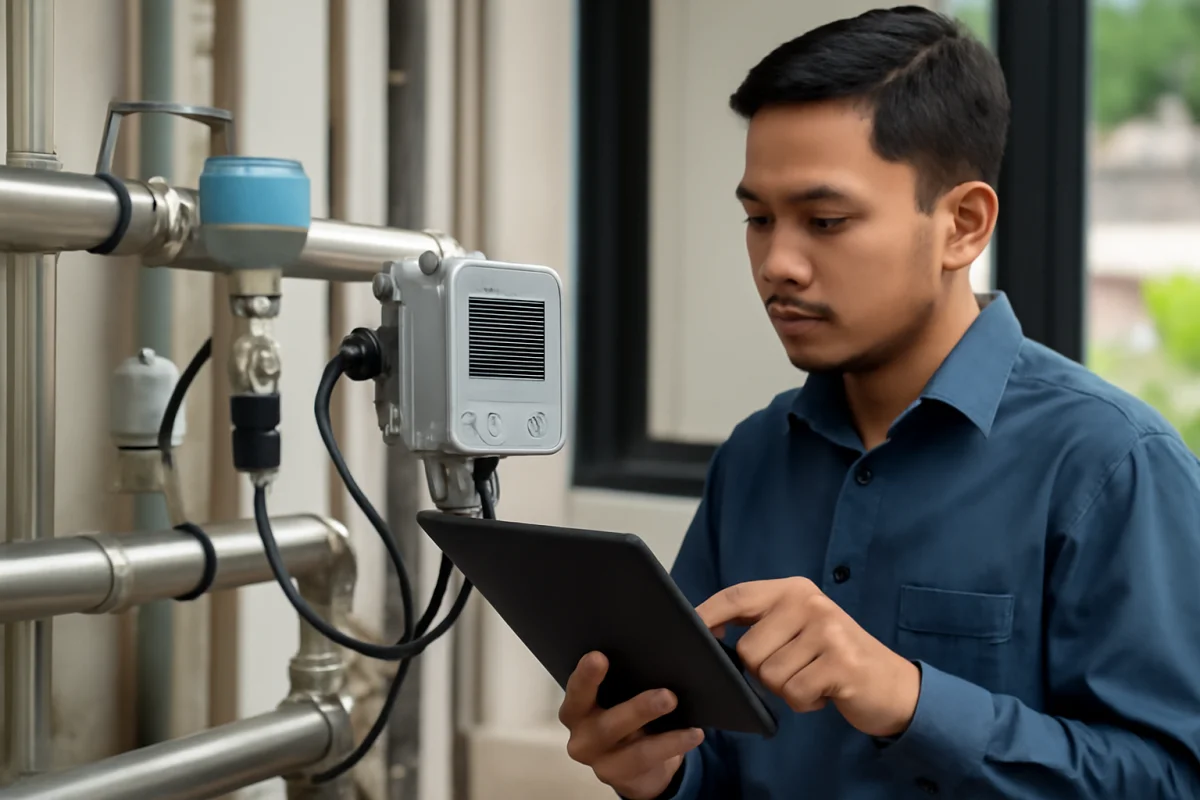
Modern chiller plants rely on sophisticated sensors and control units to monitor water quality in real time. These systems detect changes in conductivity, temperature, and chemical concentrations, allowing for automated adjustments that keep the system within optimal operating ranges.
- Water Quality Sensors: Continuously track parameters such as pH, dissolved solids, and biocide levels.
- Remote Monitoring: Enables facility teams to receive alerts, diagnose issues, and optimise performance from anywhere.
- Automated Dosing Systems: Precisely control chemical additions based on sensor input, reducing waste and ensuring consistent protection.
Integrating these technologies streamlines operations, minimises manual testing, and enhances overall system reliability. Data collected by sensors can be analysed for predictive maintenance, helping facilities anticipate issues before they cause downtime. As digital integration deepens, facilities are increasingly able to achieve real-time optimisation and rapid adaptation to changing water conditions, which is vital for peak performance and sustainability objectives.
Common Challenges and How to Overcome Them
Even with the best systems in place, chiller water treatment can present challenges. Awareness of these hurdles and proactive solutions will help you maintain peak efficiency:
- Fluctuating Water Quality: Source water variation can introduce unexpected contaminants. Regular analysis and flexible treatment protocols are essential.
- Microbial Resistance: Some microorganisms can develop resistance to biocides over time. Rotating or combining treatment chemicals can overcome this challenge.
- Scaling in High-Hardness Areas: Facilities with hard water require additional scale inhibitors or softening systems to prevent mineral buildup.
- Cost Control: Optimising chemical use through monitoring and automation reduces unnecessary expenses.
Collaborating with experienced water treatment partners ensures access to the latest solutions, ongoing support, and rapid troubleshooting. Proactive problem-solving, coupled with ongoing staff training, creates a resilient water management program capable of adapting to new challenges.
Optimising Efficiency: Strategic Insights
To maximise chiller efficiency, consider these expert strategies:
- Integrate Water Testing & Measurement: Regular, scheduled testing identifies trends and emerging risks before they escalate. Consider partnering with providers capable of advanced water testing and measurement.
- Customise Solutions: No two facilities are alike. Customised water treatment plans tailored to your system’s unique needs are far more effective than generic approaches.
- Invest in Training: Equip your engineering and maintenance teams with up-to-date training on best practices, technologies, and safety protocols.
- Review and Update Regularly: Water chemistry, system demands, and regulations evolve. Periodic reviews ensure your program remains effective and compliant.
- Focus on Sustainability: Modern chiller water treatment should also prioritise eco-friendly practices. Use environmentally responsible chemicals and optimise water usage to reduce the environmental impact of your facility. Sustainability initiatives can also enhance your organisation’s reputation and compliance with green building standards.
By adopting a holistic, technology-driven approach, facilities can achieve sustainable cost savings, lower environmental impact, and longer equipment life. Engaging in industry forums and continuous learning will keep your team abreast of the latest trends in chiller water treatment, from breakthrough biocide formulations to advanced filtration media.
Conclusion
Chiller water treatment is a vital component of efficient, reliable, and sustainable industrial operations. By understanding key principles, leveraging advanced technologies, and following best practices, facility engineers and plant managers can ensure maximum chiller performance while minimising operational risks. For customised solutions and ongoing support, partnering with a trusted provider like Insignia Water offers a pathway to optimised system efficiency and long-term value. Continuous improvement, innovation, and a commitment to excellence in chiller water treatment will pay dividends in operational stability, energy savings, and equipment longevity for years to come.
Frequently Asked Questions (FAQs)
What is the main purpose of chiller water treatment?
The primary purpose of chiller water treatment is to prevent scaling, corrosion, and biological growth within the chiller system. This ensures efficient heat transfer, extends equipment lifespan, and reduces maintenance costs.
How often should chiller water be tested?
Chiller water should be tested at least monthly, but more frequent testing may be necessary for critical systems or when water quality issues are suspected. Regular testing allows for timely adjustments to the treatment program.
What are the signs of poor chiller water quality?
Signs include reduced cooling efficiency, higher energy consumption, visible scale or corrosion, foul odours, and increased system downtime. Early detection and intervention are key to minimising damage.
Can automation improve chiller water treatment effectiveness?
Yes, automation improves effectiveness by providing real-time monitoring and precise chemical dosing. This reduces human error, ensures consistent treatment, and enables rapid response to water quality changes.
Why is customised water treatment important for industrial chillers?
Every chiller system has unique operating conditions and challenges. Customised water treatment plans ensure optimal protection against scaling, corrosion, and microbiological risks, leading to better efficiency and reliability.
Maximise Your Chiller Efficiency with Insignia Water
Ready to optimise your industrial chiller performance? Insignia Water delivers total water treatment solutions, combining advanced technology, HYDOKEM chemical expertise, and industry-leading support for Malaysia’s most demanding facilities. Discover how customised chiller water treatment can transform your operations.