

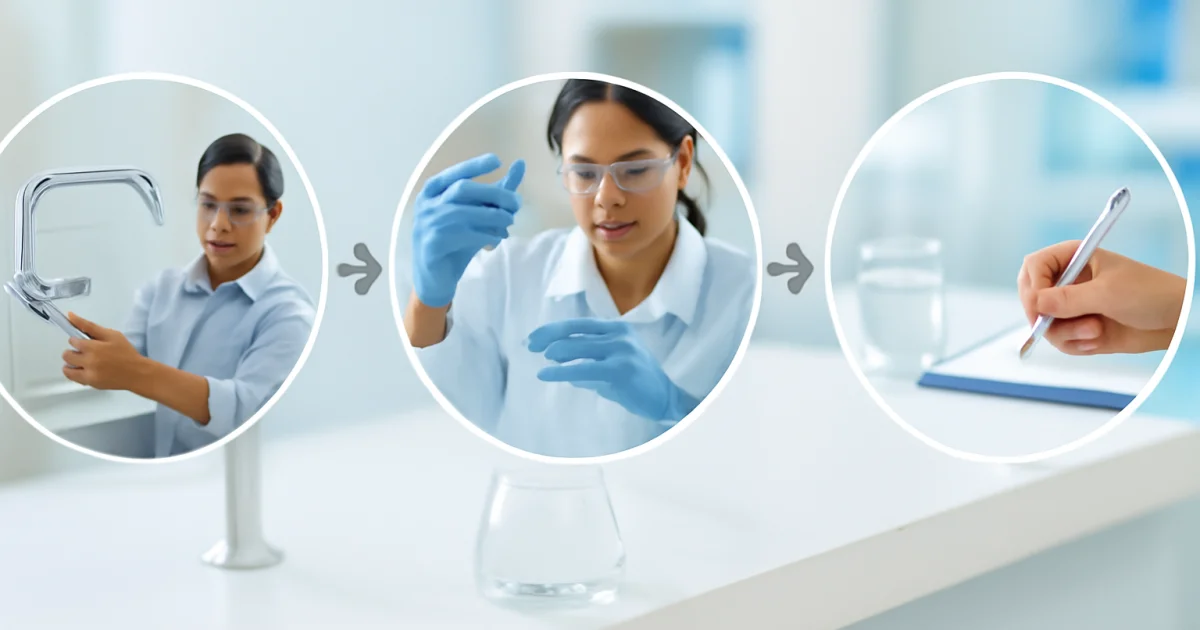
Step-by-Step Tutorial: Water Testing in Malaysia for Industrial Applications
Effective water testing is crucial for industrial facilities in Malaysia to ensure operational efficiency, regulatory compliance, and equipment longevity. This comprehensive tutorial provides a step-by-step approach to Water Testing Malaysia, specifically tailored for lab technicians, maintenance teams, and quality control staff dealing with industrial water systems. With Malaysia’s strict environmental standards and the diverse water sources used in industry, robust water analysis is essential for operational excellence.
Why Industrial Water Testing Matters
Industries across Malaysia depend on high-quality water for critical operations such as cooling, heating, cleaning, and manufacturing. Water that fails to meet quality standards can result in equipment scaling, corrosion, microbiological contamination, and unplanned downtime—each of which can be costly and disruptive. In addition, water testing is a key part of meeting national regulatory requirements such as those enforced by the Department of Environment (DOE) Malaysia and industry-specific guidelines. Routine, systematic water analysis allows for early detection of problems, enabling preventive maintenance and environmental stewardship.
Key Benefits of Water Testing for Malaysian Industries
- Regulatory Compliance: Ensures adherence to Malaysian standards for effluent discharge and process water.
- Operational Efficiency: Prevents scale buildup and corrosion, optimizing heat transfer and process reliability.
- Equipment Longevity: Reduces wear and tear on boilers, cooling towers, and heat exchangers.
- Safety: Minimizes health risks by detecting microbial and chemical contaminants.
- Sustainability: Supports responsible water management and environmental protection.
Essential Equipment and Materials for Water Testing
Before beginning, prepare the necessary tools and materials to ensure accurate results. Common equipment includes:
- Sampling bottles (sterile and non-reactive, suitable for chemical and microbiological samples)
- Digital and manual meters (pH, conductivity, TDS, dissolved oxygen, turbidity)
- Colorimetric test kits (for chlorine, hardness, iron, ammonia, nitrates, etc.)
- Labeled beakers, graduated cylinders, and pipettes
- Personal protective equipment (PPE): gloves, goggles, lab coats, face masks
- Documentation forms or digital logs for traceability
- Coolers and ice packs for maintaining sample integrity during transport
Step-by-Step Water Testing Procedure
- Sample Collection
Use clean, properly labeled sampling bottles to collect water from designated points such as influent, effluent, cooling towers, or process lines. Always label each bottle with the location, time, and date of collection. Rinse bottles with source water before final collection to avoid contamination, and follow aseptic techniques for microbiological samples. For regulatory compliance, adhere to the sampling protocols specified by Malaysian authorities.
- On-Site Parameter Measurement
Some parameters must be measured immediately at the sampling site for accurate results. These include temperature, pH, dissolved oxygen, and conductivity. Use well-calibrated portable meters and follow the manufacturer’s instructions. Record readings promptly in a field logbook or digital device, ensuring traceability from sample to result.
- Transporting Samples
For laboratory analysis, store collected samples in coolers with ice packs to prevent changes in microbial and chemical composition. Follow guidelines for maximum holding times, especially for sensitive parameters such as BOD, COD, and microbial counts. Transport samples to the laboratory as soon as possible to maintain integrity.
- Laboratory Analysis
In the laboratory, analyze additional parameters such as chemical oxygen demand (COD), biological oxygen demand (BOD), hardness, chloride, heavy metals (iron, manganese, lead), ammonia, nitrates, and microbiological contaminants. Use appropriate test kits, reagents, or advanced analytical instruments such as spectrophotometers and ion-selective electrodes, adhering to standard operating procedures (SOPs) and international or Malaysian standards (e.g., MS ISO, APHA, or DOE guidelines).
- Data Recording and Quality Control
Document all results meticulously, noting the sample ID, test method, and measured values. Implement quality control measures by running blank samples, standards, and replicates. Regularly calibrate instruments and maintain calibration logs to ensure measurement accuracy. Cross-check results with previous data for consistency and identify anomalies that may indicate sampling or analytical errors.
- Interpretation and Reporting
Compare test results against Malaysian regulatory standards (such as Environmental Quality (Industrial Effluent) Regulations 2009) or internal plant requirements. Highlight any parameters that exceed acceptable limits and recommend corrective actions—such as chemical treatment, filtration, or process adjustments. Prepare concise, actionable reports for management and operational teams, ensuring all stakeholders are informed of water quality status and necessary interventions.
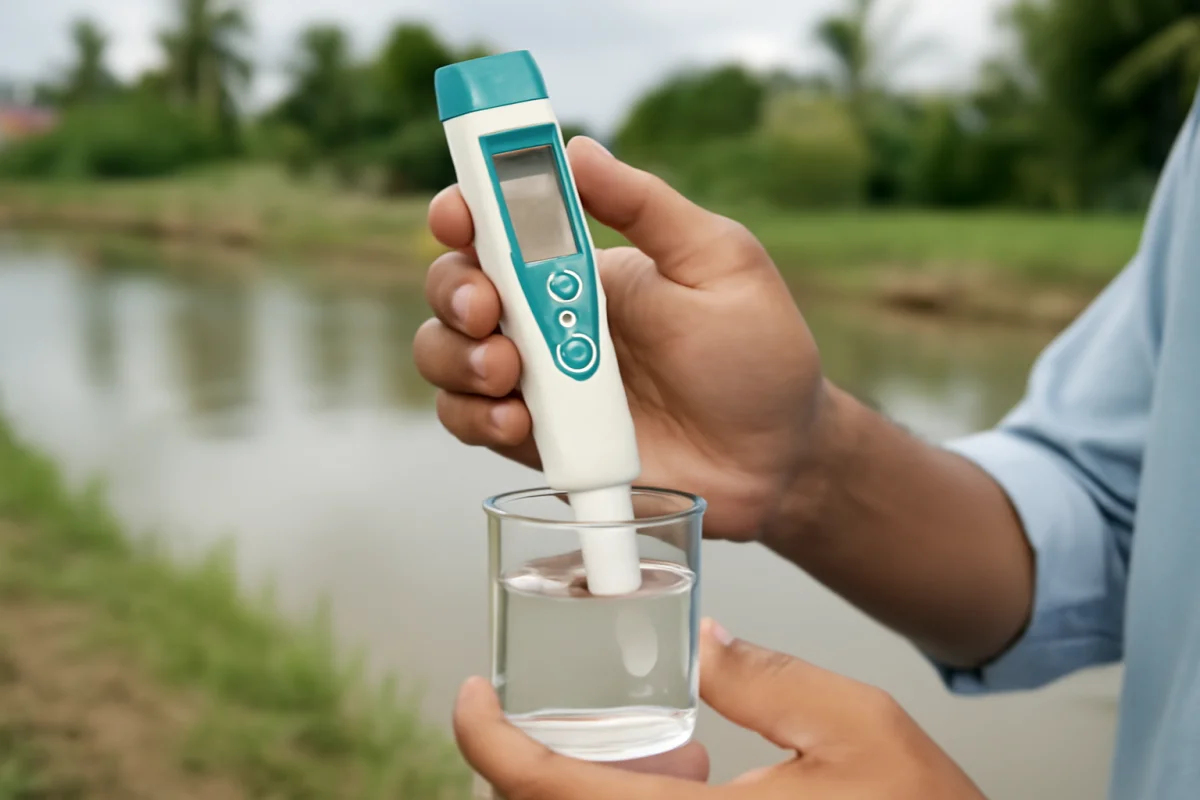
Measuring pH Levels
pH measurement is a fundamental aspect of water quality assessment. Use a freshly calibrated digital pH meter, immersing the probe directly into the sample. Wait for the reading to stabilize before recording the value. Maintaining optimal pH is critical, as deviations can promote corrosion, scaling, and microbial growth in industrial systems. In Malaysia, pH control is often required for environmental compliance—effluent pH must fall within specified limits before discharge.
Common Parameters in Industrial Water Testing
- pH: Indicates acidity or alkalinity, affecting corrosion, scaling, and chemical reactions.
- Total Dissolved Solids (TDS): Reflects mineral and salt concentration, influencing scaling and water suitability for process use.
- Conductivity: Measures water’s ability to conduct electricity, correlating with dissolved ion content.
- Dissolved Oxygen (DO): Crucial for biological processes and corrosion control in open systems.
- Chlorine Residual: Ensures effective disinfection, especially in cooling towers and process water.
- Hardness: High levels cause scale formation in boilers, heat exchangers, and piping systems.
- Iron and Manganese: Excess amounts lead to staining, fouling, and operational problems in cooling and process systems.
- BOD/COD: Indicators of organic contamination, particularly in wastewater streams. High values may signal process leaks or ineffective treatment.
- Ammonia and Nitrate: Important for nutrient monitoring and environmental compliance.
- Microbiological Parameters: Total coliforms, E. coli, and heterotrophic plate counts to assess contamination and sanitary risks.
Best Practices for Accurate Water Testing and Compliance
- Calibrate all meters and analytical instruments before each use; maintain comprehensive calibration and maintenance records.
- Use fresh, high-quality reagents and check expiration dates on all test kits and chemicals.
- Adhere strictly to recognized sampling and testing protocols, referencing Malaysian and international standards as appropriate.
- Provide regular training and competency assessments for laboratory and sampling personnel, emphasizing safety and procedural updates.
- Keep clear, organized documentation for all stages of sampling, analysis, and reporting to facilitate traceability and regulatory audits.
- Periodically review and update SOPs to reflect changes in regulations, technological advances, and site-specific requirements.
- Implement internal and external quality audits to continuously improve water testing processes and outcomes.
Challenges and Solutions in Water Testing Malaysia
Industrial water testing in Malaysia presents unique challenges, including diverse source water qualities, fluctuating environmental conditions, and evolving regulatory frameworks. Facilities may encounter issues such as high rainfall diluting effluent, tropical biofouling, or variable source water chemistry. To address these, consider:
- Installing continuous online monitoring systems for key parameters, enabling real-time detection and rapid response to deviations.
- Partnering with accredited laboratories for advanced testing, such as trace metals and emerging contaminants.
- Implementing robust preventive maintenance programs for all water-related equipment and instrumentation.
- Engaging with water treatment experts for custom solutions, from chemical dosing to membrane filtration and biological treatment.
Conclusion: Effective Water Quality Management in Malaysian Industry
Consistent and accurate water testing forms the backbone of effective water quality management for Malaysian industries. By following a structured, step-by-step process, facilities can detect and address water quality issues early, comply with stringent regulations, and optimize equipment performance and product quality. With the increasing complexity of industrial processes and tighter environmental controls, advanced water testing—including online monitoring and data analytics—can provide a competitive edge.
For industries seeking reliable Water Testing Malaysia solutions, exploring advanced instrumentation, laboratory services, and integrated water treatment technologies is essential. To discover next-generation water testing and measurement solutions, or to explore a complete range of water treatment products for industrial applications, visit Insignia Water’s full product range. Learn more about Insignia Water and how we support efficient, compliant, and sustainable water management across Malaysia’s industrial sectors.
Frequently Asked Questions (FAQs)
What is the importance of water testing in Malaysian industries?
Water testing helps industrial facilities in Malaysia maintain equipment efficiency, comply with environmental regulations, and prevent costly issues such as scaling, corrosion, and contamination.
Which parameters are commonly tested in industrial water?
Common parameters include pH, total dissolved solids (TDS), conductivity, dissolved oxygen (DO), chlorine residual, hardness, iron, manganese, and BOD/COD.
How often should industrial water be tested?
Testing frequency depends on the application and regulatory requirements, but regular checks—daily, weekly, or monthly—are recommended for critical systems like boilers, cooling towers, and wastewater treatment plants.
Can water testing be automated in industrial facilities?
Yes, water testing can be partially or fully automated using online sensors, automatic samplers, and data logging systems. Automation improves consistency, accuracy, and real-time monitoring capabilities.
Where can I find industrial water testing products and support in Malaysia?
Specialized providers like Insignia Water offer a range of water testing equipment, chemicals, and professional support tailored for industrial applications across Malaysia.
Ready to Enhance Your Industrial Water Quality?
Partner with Insignia Water for complete water testing, treatment, and monitoring solutions designed for Malaysian industries. Our expertise covers everything from on-site testing to advanced chemical dosing and system optimization. Ensure compliance and operational excellence—reach out to our team today.