


Water Recycling for Industrial Facilities in Malaysia
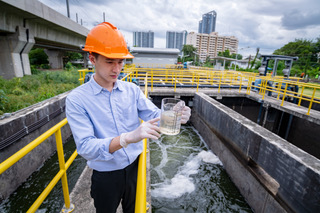
Water recycling — also known as water reuse or water reclamation — is the process of treating wastewater so it can be reused for industrial operations instead of being discharged. By recovering and reusing treated water, industrial facilities can reduce freshwater consumption, minimise wastewater discharge, and improve overall water management efficiency.
In Malaysia, water recycling is becoming increasingly important as industrial growth continues and water resources face increasing pressure from economic development, population growth, and climate variability. Reusing treated water helps industries maintain operational reliability while supporting national efforts to manage water resources sustainably.
When integrated with effective wastewater treatment Malaysia program, water recycling enables industrial facilities to recover water from process effluent and reuse it across multiple operations, creating a more efficient and resilient water management cycle.
Why Water Recycling Matters for Malaysian Industries
Industrial sectors such as manufacturing, electronics, food processing, and chemical production consume significant volumes of water. As industrial activity expands, the demand for freshwater continues to grow while environmental protection requirements are becoming stricter.
Malaysia regulates industrial wastewater under the Environmental Quality Act 1974 and the Environmental Quality (Industrial Effluent) Regulations 2009, which establish limits for pollutants such as biological oxygen demand (BOD), chemical oxygen demand (COD), suspended solids, heavy metals, and other contaminants in industrial discharge. Facilities must treat wastewater to comply with these limits before releasing it into water bodies.
In addition to national regulations, some states are introducing policies to reduce wastewater discharge and promote water reuse. For example, Lembaga Urus Air Selangor introduced the Zero Discharge Policy (ZDP) in 2024, encouraging industrial facilities to recycle treated effluent rather than discharge it into rivers. The policy covers 13 scheduled activities, including industrial operations, aquaculture, sewage treatment, solid waste management, land development, and other activities that may affect river basins, reflecting Malaysia’s growing focus on sustainable water resource management.
At the national level, water sector initiatives also recognise the importance of reclaimed water as an alternative supply. Malaysia’s wastewater operator Indah Water Konsortium (IWK) has begun implementing water reclamation projects that produce treated water suitable for industrial cooling and other non-potable uses. These initiatives support the national Water Sector Transformation Plan 2040 (Pelan Hala Tuju Transformasi Air 2040, or AIR 2040), under which the Ministry of Energy Transition and Water Transformation (PETRA) targets supplying 200 million litres per day (MLD) of reclaimed water for industrial use by 2030.
For industrial facilities, water recycling provides several key advantages:
Freshwater Conservation
Recycling treated water reduces reliance on municipal water supplies and helps preserve natural water resources.
Operational Cost Reduction
Reusing water can reduce freshwater procurement costs and lower wastewater discharge volumes, which may decrease treatment and regulatory compliance costs.
Regulatory Compliance
Water recycling systems support compliance with Malaysian environmental regulations by reducing pollutant discharge and improving wastewater treatment performance. Following the implementation of Selangor’s Zero Discharge Policy, the state recorded 28 water source pollution cases in 2025 compared with 80 cases in 2024 — a reduction of approximately 65% — with no major water treatment plant shutdowns reported (Bernama, February 2026).
Sustainability and ESG Performance
Water conservation and reduced effluent discharge support corporate sustainability goals and environmental reporting requirements increasingly expected by international investors and supply chain partners.
Operational Resilience
Recycled water provides an alternative water source that can help facilities maintain operations during supply disruptions or water restrictions.
How Industrial Water Recycling Works
Industrial water recycling systems treat wastewater generated from manufacturing or processing operations so it can be reused safely. The treatment process varies depending on the characteristics of the wastewater and the quality requirements of the intended reuse application.
Most recycling systems involve several treatment stages.
Primary Treatment
Physical treatment processes remove large particles and suspended solids from wastewater. Common techniques include screening, sedimentation, and filtration.
Secondary Treatment
Biological treatment processes break down dissolved organic matter in wastewater. Technologies such as activated sludge systems and membrane bioreactors (MBR) are commonly used to reduce biological oxygen demand (BOD) and improve effluent quality.
Tertiary Treatment
Advanced treatment technologies further purify treated water to meet reuse standards. These may include ultrafiltration (UF), reverse osmosis (RO), and disinfection systems to remove dissolved solids, pathogens, and trace contaminants.
Chemical Treatment
Chemical dosing is used to control scaling, corrosion, and microbial growth throughout the treatment process, helping maintain system performance and protect equipment.
Regular water testing Malaysia is an essential component of any water recycling system. Industrial facilities are typically required to monitor treated effluent quality and report results to regulators to demonstrate compliance with environmental discharge standards.
Industrial Applications of Recycled Water
Depending on the level of treatment achieved, recycled water can be used for many industrial applications that do not require potable water quality.
Common uses include:
Cooling Tower Makeup Water
Cooling systems require large volumes of water. Recycled water can be used as makeup water for cooling towers, significantly reducing freshwater demand.
Equipment and Facility Cleaning
Treated water can be reused for washing equipment, floors, and industrial surfaces where potable water is not required.
Process Water for Non-Critical Applications
Some manufacturing processes can use recycled water that meets specific quality thresholds.
Boiler Feedwater
With advanced treatment such as reverse osmosis and proper conditioning, recycled water can be used as boiler makeup water in steam systems.
Landscape Irrigation and Site Management
Treated water meeting irrigation standards can be used for landscaping or non-potable outdoor applications.
Recycled water is particularly valuable for water-intensive industries, including manufacturing, electronics and semiconductor production, chemical processing, food and beverage manufacturing, and textile production.
Benefits of Industrial Water Recycling Systems
Implementing water recycling systems provides both environmental and economic benefits for industrial facilities.
Reduced Freshwater Consumption
Recycling treated water directly reduces the volume of freshwater required for industrial operations.
Lower Wastewater Discharge
Reusing water internally reduces the amount of effluent released to the environment, supporting regulatory compliance.
Cost Efficiency
Lower freshwater intake and reduced discharge volumes can help improve long-term operational cost stability.
Environmental Protection
Reducing wastewater discharge helps protect rivers, groundwater resources, and aquatic ecosystems.
Improved Water Security
On-site recycling creates an alternative water source that supports operational continuity during supply disruptions.
Water Recycling Solutions in Malaysia
As water demand continues to grow across Malaysia’s industrial sector, more facilities are adopting water recycling systems to improve efficiency and meet environmental requirements.
Successful water recycling programs typically combine:
- advanced wastewater treatment technologies
- chemical dosing and process optimisation
- continuous water quality monitoring
- system maintenance and performance management
By integrating these elements, facilities can achieve reliable water reuse while maintaining regulatory compliance and reducing long-term water management costs.
Insignia Water provides integrated water recycling solutions for industrial and commercial facilities across Malaysia. These solutions combine wastewater treatment technology, water quality monitoring, and system optimisation to support efficient water reuse and sustainable water management.
Frequently Asked Questions (FAQs)
What is water recycling in industrial facilities?
Water recycling is the process of treating wastewater generated during industrial operations so it can be reused for applications such as cooling systems, cleaning, or manufacturing processes instead of being discharged.
Is recycled water safe for industrial use?
Yes. With appropriate treatment technologies such as membrane filtration, reverse osmosis, and disinfection, recycled water can meet the quality requirements for many industrial applications.
Which industries benefit most from water recycling?
Industries with high water consumption benefit the most. These include manufacturing, semiconductor production, chemical processing, food and beverage manufacturing, and textiles.
Does water recycling help with regulatory compliance in Malaysia?
Yes. Recycling wastewater can help facilities comply with Malaysian environmental regulations such as the Environmental Quality Act 1974 and the Environmental Quality (Industrial Effluent) Regulations 2009 by reducing pollutant discharge and improving wastewater treatment performance.
Why is water recycling becoming more important in Malaysia?
Water recycling is becoming more important as industrial water demand increases and environmental regulations tighten. Policies such as Selangor’s Zero Discharge Policy (ZDP) encourage industries to reduce wastewater discharge and reuse treated effluent to protect river basins and water supply sources. At the national level, Malaysia’s Water Sector Transformation Plan 2040 (AIR 2040) promotes reclaimed water as an alternative supply for industry, supporting greater adoption of water recycling systems across the country.