

Boiler Water Treatment Chemicals: Essential Insights for Plant Managers
Boilers are the heart of many industrial facilities, providing heat and energy essential for daily operations. However, to keep boilers running reliably and efficiently, plant managers must pay close attention to water quality. Boiler water treatment chemicals are critical in preventing scale, corrosion, and operational problems. Understanding how these chemicals work, their types, and best handling practices can make a significant difference in plant performance, safety, and cost control.
What Are Boiler Water Treatment Chemicals?
Boiler water treatment chemicals are specialized formulations used to treat the water that circulates through industrial boilers. Their primary purpose is to manage the water’s chemistry and prevent issues like scaling, corrosion, and fouling, which can lead to costly breakdowns or reduced efficiency. Boiler water is rarely pure; impurities from the source water or system ingress can accumulate and create operational challenges if not properly managed.
- Scale inhibitors prevent mineral deposits that reduce heat transfer.
- Oxygen scavengers remove dissolved oxygen, minimizing corrosion risks.
- Alkalinity builders stabilize pH levels, enhancing chemical reactions and reducing acidity.
- Dispersants help keep suspended solids from settling on internal surfaces.
- Anti-foaming agents control foam and improve steam purity.
Using the right combination of these chemicals ensures boilers run smoothly and last longer, lowering maintenance and operational costs. Consistent chemical dosing and monitoring are essential to adapt to fluctuations in feedwater quality and system demands.
Why Effective Boiler Water Treatment Matters
Unmanaged boiler water can quickly lead to severe problems. Scale buildup acts as insulation, making boilers less efficient and forcing them to consume more energy. Corrosion can cause leaks or catastrophic failures, risking both equipment and safety. Additionally, impurities in steam can damage downstream equipment or affect product quality in sensitive industries. The consequences of poor water treatment extend beyond the boiler itself, impacting the entire facility’s productivity and safety profile.
Regular water treatment is crucial for:
- Maintaining peak boiler efficiency
- Extending equipment lifespan
- Minimizing unplanned downtime and costly repairs
- Ensuring safe operation for personnel
- Complying with environmental regulations and emissions requirements
- Protecting ancillary equipment such as heat exchangers, condensate lines, and steam traps
For industrial facilities in Malaysia and throughout Southeast Asia, where water quality can vary, effective chemical treatment is a proactive investment. Failing to manage boiler water can also increase insurance premiums and regulatory scrutiny, making robust treatment an operational and financial priority.
Types of Boiler Water Treatment Chemicals
Different boilers and operational conditions require tailored chemical solutions. The main categories include:
- Oxygen scavengers: Chemicals like sodium sulfite or hydrazine neutralize dissolved oxygen, which can otherwise corrode boiler metals.
- Scale and corrosion inhibitors: Phosphates and polymers help prevent mineral deposits and protect boiler tubes from corrosive attack.
- pH adjusters and alkalinity builders: These maintain optimal pH levels, typically between 9 and 11, to reduce acidity and minimize corrosion.
- Sludge conditioners: Keep suspended particles from forming deposits, making it easier to remove them during blowdown.
- Anti-foaming agents: Control foam generation, which can cause carryover and reduce steam quality.
- Condensate line treatments: Neutralizing amines and filming amines are often used to protect the return lines from corrosion caused by carbon dioxide or oxygen ingress.
Choosing the correct formulations depends on boiler type, operating pressure, feedwater quality, and specific process needs. Many plant managers consult with water treatment specialists or rely on proven brands, such as Insignia Water’s HYDOKEM chemical solutions, for optimized results. Explore Boiler Water Treatment solutions for more details. It’s important to periodically review chemical usage and adjust dosages in line with changes in feedwater chemistry or shifts in plant operations.
How Boiler Water Treatment Chemicals Work in Practice
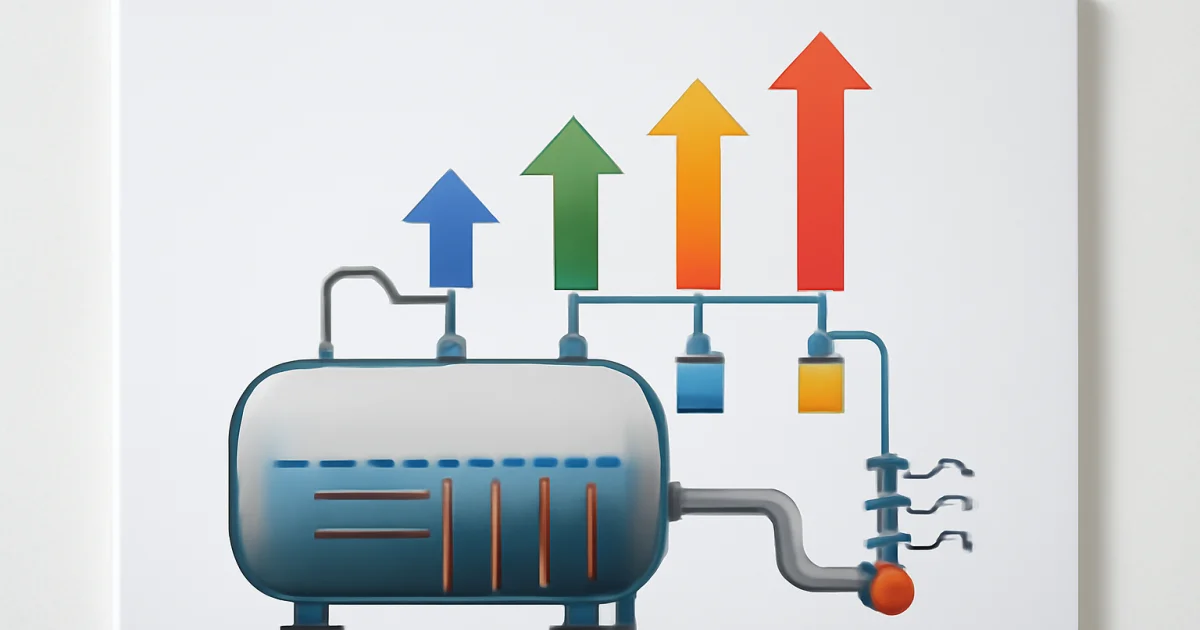
In practice, boiler water treatment chemicals are introduced at various stages within the boiler system. Pre-treatment chemicals may be added to the makeup water before it enters the deaerator or feedwater tank. Oxygen scavengers are typically dosed after deaeration, just before water enters the boiler. Internal treatment chemicals, such as scale inhibitors and dispersants, are added directly to the boiler drum or feedwater line. The aim is to provide continuous protection throughout the steam cycle, from feedwater through steam generation to condensate recovery.
For high-pressure or critical boilers, the margin for error is smaller. Even small lapses can result in rapid scale buildup or corrosion. Therefore, comprehensive water treatment programs often include redundancy in chemical dosing, backup monitoring systems, and robust documentation to ensure that treatment targets are consistently met.
Safe Dosing and Monitoring Practices
Chemical Handling
Proper handling and dosing of boiler chemicals are vital for both safety and effectiveness. Plant managers should ensure staff are trained in chemical safety, wear appropriate personal protective equipment, and follow manufacturer guidelines for dilution and mixing. Storage conditions for treatment chemicals must be managed to prevent contamination or degradation—temperature extremes and moisture ingress can affect chemical efficacy.
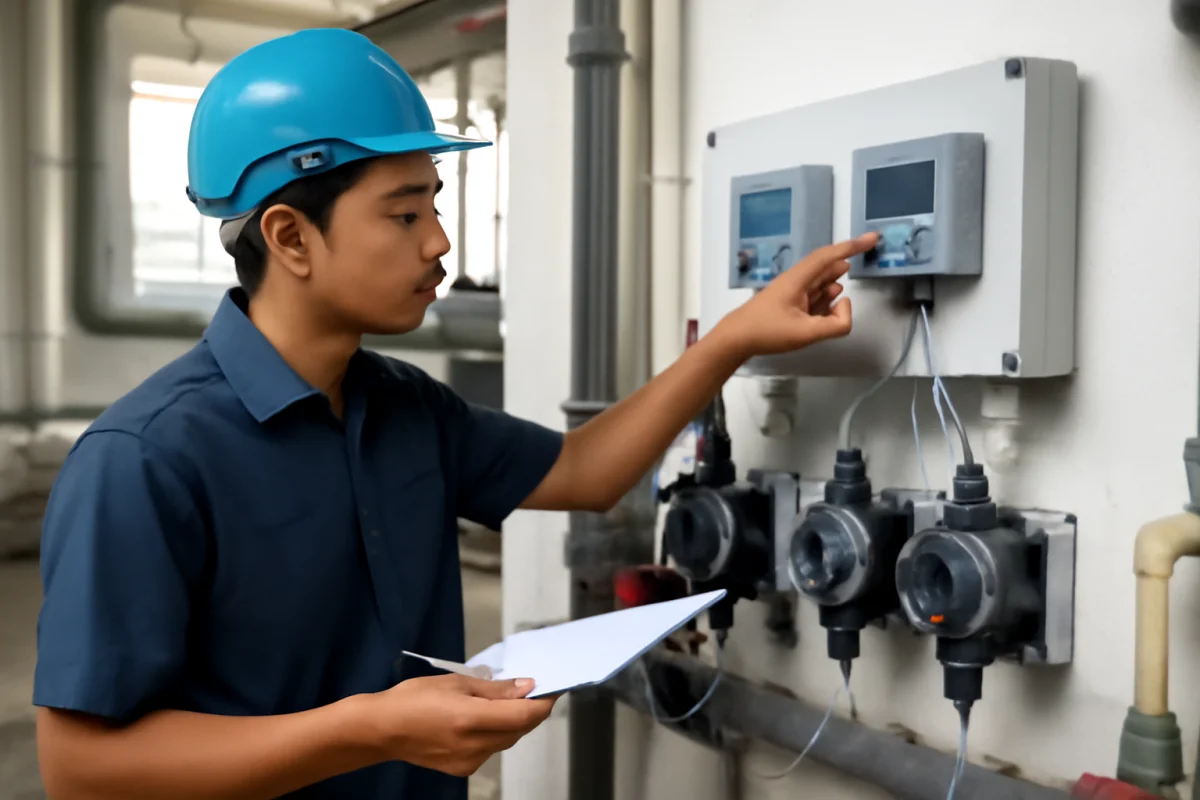
Automated chemical dosing systems can improve accuracy and reduce manual errors, minimizing risks associated with under- or over-dosing. Regular calibration of dosing pumps and monitoring devices is essential for consistent performance. Safety data sheets (SDS) for all chemicals should be easily accessible, and spill response protocols should be in place to protect both staff and the environment.
Routine Water Testing
Continuous monitoring of boiler water quality ensures chemical treatments are working as intended. Key parameters to test include:
- pH level
- Conductivity
- Alkalinity
- Dissolved oxygen
- Hardness and iron content
- Total dissolved solids (TDS)
- Silica levels (especially important in high-pressure boilers to prevent carryover)
Scheduled water sampling and analysis, using reliable water testing and measurement equipment, help identify trends and adjust treatment protocols proactively. Data from these tests should be logged and reviewed regularly to detect deviations early and prevent potential boiler problems.
Best Practices for Plant Managers
To maximize the benefits of boiler water treatment chemicals, plant managers should:
- Adopt a preventive maintenance mindset—treat water before problems arise.
- Partner with trusted chemical suppliers offering technical support and onsite training.
- Document all chemical usage, water test results, and maintenance activities for traceability.
- Review and update treatment programs regularly to reflect changes in feedwater quality or plant operations.
- Ensure compliance with local environmental and safety regulations.
- Implement a comprehensive training program for operators and technicians on water chemistry basics, chemical handling, and troubleshooting.
- Develop contingency plans for chemical delivery interruptions or emergency shutdowns, ensuring alternative supplies and protocols are available.
Proactive water management, backed by expert guidance, minimizes risk and helps plants achieve operational excellence. A well-maintained boiler system not only reduces energy use and emissions but also provides a safer work environment and helps maintain product consistency in process industries.
Conclusion: Investing in Reliable Boiler Water Chemistry
Boiler water treatment chemicals are not just an operational necessity—they’re an investment in efficiency, reliability, and safety. By understanding chemical options, implementing safe handling practices, and committing to regular monitoring, plant managers can keep their boilers running at peak performance. For tailored solutions and expert advice, consider partnering with a comprehensive water treatment provider who understands your industry’s unique challenges, such as Insignia Water. Effective water chemistry management ensures your facility can operate smoothly and safely for years to come.
Ultimately, the right boiler water treatment program reduces total cost of ownership, supports compliance with regulations, and protects both your assets and personnel. As industrial processes evolve and environmental standards become more stringent, staying ahead with advanced boiler water treatment chemicals and best practices is essential for any forward-thinking plant manager.
Frequently Asked Questions (FAQs)
What are the main types of boiler water treatment chemicals?
The primary types include oxygen scavengers, scale and corrosion inhibitors, alkalinity builders, sludge conditioners, and anti-foaming agents. Each serves a specific role in maintaining boiler efficiency and longevity.
Why is boiler water treatment important for plant managers?
Proper water treatment prevents scale, corrosion, and equipment failure, ensuring reliable boiler operation, reducing maintenance costs, and supporting workplace safety.
How often should boiler water quality be tested?
Testing frequency depends on boiler size and operational demands, but most facilities should conduct daily checks of key parameters and perform comprehensive analyses at least weekly.
What safety measures are necessary when handling boiler chemicals?
Operators should use personal protective equipment, follow manufacturer instructions, ensure proper storage and labeling, and utilize automated dosing systems to minimize manual handling risks.
Can chemical treatment be customized for different boiler systems?
Yes, treatment programs are tailored based on boiler type, pressure, feedwater quality, and specific plant needs. Consulting with water treatment experts helps ensure optimal chemical selection and dosing.
Upgrade Your Boiler Water Treatment with Insignia Water
Ensure your boiler systems run efficiently and safely with Insignia Water’s comprehensive chemical solutions and technical expertise. From custom treatment programs to advanced monitoring, our team supports plant managers and engineers at every step. Discover the difference that a total water management partner can make for your facility.