

Beginner Guide: Understanding Wastewater Treatment in Malaysia
Water is one of the most valuable resources for industries and communities across Malaysia. Effective wastewater treatment Malaysia solutions ensure that used water is cleaned before being released back into the environment, protecting public health, natural ecosystems, and supporting sustainable operations. If you are a facility manager, engineer, or student new to this topic, this beginner guide will help you understand the fundamentals of wastewater treatment in Malaysia and its importance for your organisation.
What is Wastewater Treatment?
Wastewater treatment refers to the process of removing contaminants from water that has been used in homes, industries, or commercial facilities. This water can contain a variety of pollutants, including organic matter, chemicals, oils, and suspended solids. Treating wastewater is crucial before it is discharged into rivers, lakes, or reused in other processes.
In Malaysia, strict environmental regulations require industries and communities to treat their wastewater to approved standards. Proper treatment not only meets legal requirements but also supports water conservation and helps preserve the country’s natural resources. Over time, the development of new wastewater treatment technologies has further improved the efficiency and effectiveness of treatment processes in Malaysia, enabling even more industries to manage their effluents responsibly.
Why is Wastewater Treatment Important in Malaysia?
Malaysia is home to a diverse range of industries, from manufacturing to palm oil processing, all of which generate significant volumes of wastewater. Without proper treatment, this water can pollute water bodies, harm aquatic life, and pose health risks to people living nearby. As water scarcity and environmental concerns grow more pressing, effective management of wastewater becomes even more critical for ensuring the sustainability of Malaysia’s economic growth and protecting its unique biodiversity.
- Environmental Protection: Wastewater treatment prevents harmful substances from entering rivers and reduces water pollution.
- Regulatory Compliance: Facilities must comply with Malaysian Department of Environment (DOE) discharge standards to avoid penalties and protect their business reputation.
- Water Reuse and Conservation: Treated water can sometimes be recycled for non-potable uses, helping to conserve fresh water resources.
- Public Health: Proper treatment removes disease-causing microorganisms and chemicals, making communities safer.
Furthermore, effective wastewater management supports Malaysia’s efforts to achieve its national and international environmental targets, including those related to the United Nations Sustainable Development Goals (SDGs). By implementing best practices in wastewater treatment, organisations contribute to cleaner water bodies and a healthier future for all Malaysians.
Key Stages of Wastewater Treatment Process
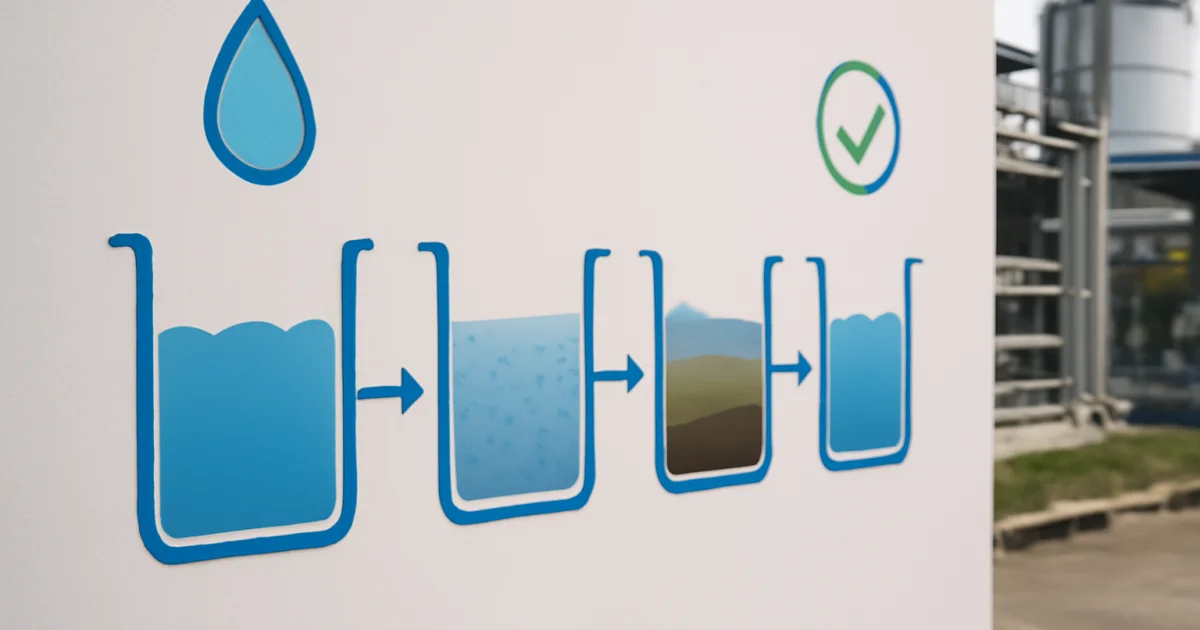
The treatment of wastewater generally involves several stages. Each stage is designed to remove specific types of contaminants, ensuring the final discharge meets environmental guidelines. Understanding these stages is essential for anyone involved in facility operations or environmental management in Malaysia.
1. Preliminary Treatment
This first step removes large solids, debris, and grit using screens and settling tanks. It protects downstream equipment from damage and ensures efficient treatment in later stages. In Malaysia, the design and maintenance of preliminary treatment systems are crucial in reducing operational costs and prolonging the lifespan of equipment.
2. Primary Treatment
During primary treatment, wastewater is held in tanks where heavier solids settle to the bottom as sludge and lighter materials float to the top. These materials are then separated from the water. Regular removal and proper disposal of sludge are important to prevent odours and maintain system efficiency.

3. Secondary (Biological) Treatment
Secondary treatment uses microorganisms to break down dissolved and suspended organic matter. Common methods include activated sludge processes, trickling filters, and biological reactors. This stage is crucial for reducing organic pollution and is widely used in industrial and municipal plants across Malaysia. Learn more about biological treatment methods.
Many facilities in Malaysia are investing in advanced biological treatment systems to help meet stricter discharge standards and reduce energy consumption. Innovations such as sequencing batch reactors (SBR), membrane bioreactors (MBR), and moving bed biofilm reactors (MBBR) are becoming more common, offering greater efficiency and improved effluent quality.
4. Tertiary and Advanced Treatment
Tertiary treatment further cleans the water by removing remaining nutrients, chemicals, and fine particles. Advanced methods may include filtration, chemical dosing, and disinfection. This step is essential when water needs to meet higher quality standards or is intended for reuse. In Malaysia, tertiary treatment plays a vital role in protecting sensitive ecosystems and enabling industries to recycle water for operational use, reducing demand on freshwater sources.
Some facilities also incorporate advanced oxidation processes (AOPs) and ultraviolet (UV) disinfection to further enhance water quality, especially when treating complex industrial effluents or aiming for zero liquid discharge.
Common Wastewater Treatment Technologies in Malaysia
Malaysia’s industries use various technologies to treat wastewater, depending on the type of contaminants and required treatment level. Some popular solutions include:
- Biological Treatment: Utilises bacteria and other microorganisms to break down organic pollutants.
- Chemical Treatment: Involves adding chemicals to remove suspended solids, neutralise pH, or eliminate specific contaminants.
- Physical Processes: Includes sedimentation, filtration, and flotation to separate solids from water.
- Membrane Filtration: Advanced membranes can remove very fine particles and even pathogens, producing high-quality treated water.
Choosing the right technology depends on the characteristics of the wastewater and the goals of the facility. For more details about available treatment technologies, see Wastewater Treatment Technology.
Malaysia is also seeing growth in the adoption of integrated treatment systems that combine several technologies to achieve higher removal efficiencies and lower operational costs. These integrated approaches are especially valuable for facilities with fluctuating wastewater characteristics or those seeking to recover valuable resources from their effluents, such as nutrients for fertiliser or biogas for energy generation.
Wastewater Treatment Challenges in Malaysia
While Malaysia has made significant progress in wastewater management, challenges remain, especially for growing urban and industrial areas:
- High Treatment Costs: Advanced treatment systems can be expensive to install and operate, especially for small and medium enterprises.
- Compliance and Monitoring: Meeting strict discharge standards requires regular testing and monitoring of treated water quality. See live test results for wastewater treatment.
- Increasing Wastewater Volumes: Rapid industrialisation and urbanisation are increasing the amount of wastewater needing treatment.
- Resource Recovery: There is growing interest in recovering clean water, energy, and nutrients from wastewater, but this requires specialised expertise and investment.
In addition, climate change and extreme weather events can put extra pressure on existing wastewater infrastructure, leading to overflows or system failures. Addressing these challenges requires ongoing investment in infrastructure upgrades, workforce training, and the adoption of digital monitoring tools to improve process control and ensure compliance with Malaysian regulations.
How to Choose the Right Wastewater Treatment Solution
Selecting the right solution depends on your facility’s needs, the types of contaminants present, and regulatory requirements. Here are a few tips for beginners:
- Understand Your Wastewater: Get your wastewater tested to identify its composition and the level of treatment required. Explore water testing and treatment options.
- Consult with Experts: Work with experienced water treatment professionals who can recommend the right technology and design for your application.
- Plan for Maintenance: A good treatment system is only effective if it is properly maintained and monitored.
- Consider Future Needs: Prepare for changes in production, regulations, or water reuse goals by choosing flexible and scalable solutions.
It’s also important to consider the total life-cycle cost of a wastewater treatment system. This includes not just the initial investment, but also long-term operating expenses, maintenance, and the cost of ensuring ongoing compliance. In Malaysia, government incentives and grants may be available to support the adoption of advanced and environmentally friendly treatment technologies, making it worthwhile to explore all available options during your decision-making process.
Conclusion: Taking the First Step Toward Sustainable Wastewater Management
Understanding the basics of wastewater treatment is the first step toward responsible water management in Malaysia. By learning about key processes and technologies, facility managers, engineers, and students can make informed decisions that protect the environment, ensure compliance, and support sustainability goals. Whether you are setting up a new plant or upgrading an existing system, partnering with the right experts can help you achieve effective and efficient wastewater treatment outcomes. Taking proactive steps today will not only safeguard your facility and the environment but also contribute to Malaysia’s vision for a cleaner, more sustainable future for generations to come.
Frequently Asked Questions (FAQs)
What is the main purpose of wastewater treatment?
The main purpose of wastewater treatment is to remove contaminants from used water so it can be safely discharged into the environment or reused. This helps protect public health, the environment, and ensures compliance with local regulations.
What are the common stages in wastewater treatment?
Typical stages include preliminary treatment (removing large debris), primary treatment (settling solids), secondary treatment (biological breakdown of organic matter), and tertiary or advanced treatment (removing fine particles and specific contaminants).
Why is wastewater treatment important for Malaysian industries?
Industries in Malaysia generate significant wastewater, which can pollute waterways if untreated. Proper treatment ensures regulatory compliance, protects the environment, and supports sustainable water use.
How can facilities choose the right wastewater treatment technology?
Facilities should start by testing their wastewater to identify pollutants, then consult with experts to select the most suitable and cost-effective treatment technologies based on their needs and compliance requirements.
Can treated wastewater be reused in Malaysia?
Yes, in many cases, treated wastewater can be reused for non-potable purposes such as cooling, irrigation, or industrial processes, helping to conserve freshwater resources.
Ready to Improve Your Wastewater Treatment?
Insignia Water offers complete industrial wastewater treatment solutions in Malaysia, including advanced technologies, water testing, and expert consultation. From customised system design to ongoing monitoring, our team helps you achieve compliance and sustainability. Discover how we can support your facility’s water management goals today.