

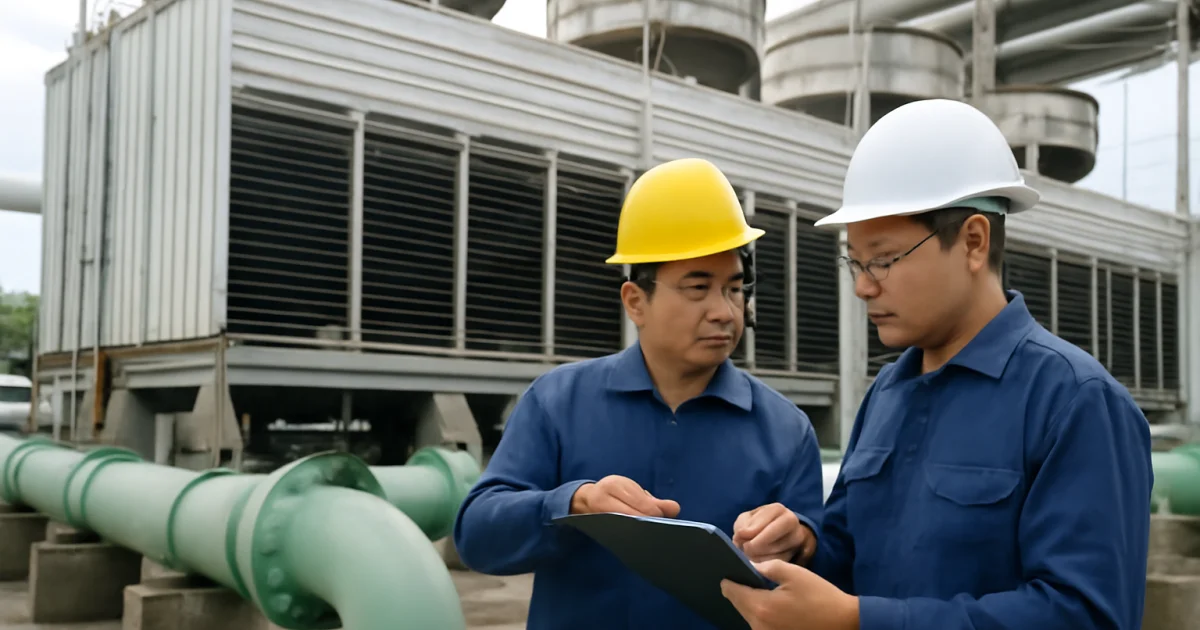
Cooling Water Chemical Treatment for Malaysian Industries
Effective cooling water management is essential for industrial facilities across Malaysia, especially those relying on cooling towers and chillers to keep processes running smoothly. Cooling Water Chemical Treatment plays a critical role in maintaining system efficiency, minimizing downtime, and prolonging equipment life. This FAQ guide addresses the most common questions industrial plant operators, maintenance teams, and facility managers have about cooling water chemical treatment in the Malaysian context.
Why Is Chemical Treatment Necessary for Cooling Water Systems?
Industrial cooling water systems are vulnerable to issues like scaling, corrosion, biofouling, and microbial growth. Without proper chemical treatment, these problems can lead to reduced heat exchange efficiency, equipment damage, higher operational costs, and compliance risks. Chemical treatment helps control mineral deposits, prevent metal corrosion, inhibit algae and bacterial growth, and ensure safe, reliable system operation.
In Malaysia’s humid, warm climate, biological growth and scaling can occur rapidly. Local water sources may contain minerals and organic matter that accelerate these problems. Industrial water treatment solutions must therefore be tailored to each facility’s water quality, process requirements, and system design. The dynamic nature of water quality across different regions in Malaysia means that facilities must regularly assess their water’s composition and adjust their treatment strategies accordingly. This ongoing vigilance ensures that cooling systems remain protected throughout seasonal and operational changes.
What Types of Chemicals Are Used in Cooling Water Treatment?
Chemicals used for cooling water treatment generally fall into several categories, each serving a specific purpose:
- Scale Inhibitors: Prevent the formation of mineral deposits (scaling) on heat exchange surfaces.
- Corrosion Inhibitors: Protect metal components from rust and chemical degradation.
- Biocides: Control bacteria, algae, and biofilm that can clog pipes and reduce efficiency.
- Dispersants: Help keep suspended solids and organic debris from settling and forming deposits.
- pH Adjusters: Maintain optimal pH levels for chemical efficacy and corrosion control.
At Insignia Water, customised solutions may combine several of these chemicals—often under proprietary brands like HYDOKEM—to suit specific industrial needs. The right blend depends on factors like system volume, water source, operating conditions, and industry standards. In addition, specialty chemicals such as antifoaming agents or oxidizing/non-oxidizing biocides can be introduced when specific contaminants or operating challenges are detected. It is important for facility managers to regularly review their chemical selection to ensure that their treatment program continues to deliver optimal performance as system demands and water quality evolve.
How Are Chemicals Added to Cooling Water Systems?
Manual vs. Automatic Dosing
There are two main dosing methods: manual and automatic. Manual dosing involves adding pre-measured chemicals directly to the cooling tower basin or feedwater. While cost-effective for smaller systems, manual dosing can lead to inconsistent water quality and treatment gaps if not monitored closely.
Automatic Chemical Dosing
Automatic dosing uses pumps and controllers to inject precise amounts of chemicals based on real-time water quality data. This method offers greater accuracy, reduces human error, and supports continuous compliance with system parameters. Many modern facilities in Malaysia are upgrading to automated chemical dosing for better efficiency and control. Automated systems are particularly beneficial for large-scale or mission-critical operations where precise chemical dosing is crucial to maintaining system integrity and regulatory compliance. By reducing the potential for overdosing or underdosing, automatic systems enhance both cost management and system reliability.
Monitoring and Adjustment
Regardless of the dosing method, regular water testing and monitoring are essential. Parameters like pH, conductivity, and residual chemical concentration must be checked routinely to adjust dosing rates and respond to changes in water quality. Advanced water testing and measurement solutions are available to support ongoing monitoring and optimisation. Implementing a strict monitoring schedule, with both online sensors and periodic laboratory analyses, helps ensure that chemical treatment remains effective against evolving water conditions and operational demands.
How Are Chemicals Added? (Dosing Methods Explained)
For facilities considering new dosing systems or upgrades, understanding dosing technology is key. Chemical dosing pumps, equipped with clear tubing and digital controls, can be integrated into the cooling system for precise delivery. These systems may include:
- Peristaltic or diaphragm dosing pumps
- Flow meters and sensors
- Programmable controllers
- Remote monitoring capabilities
Proper installation and calibration ensure chemicals are introduced safely and efficiently. Regular inspection of dosing equipment helps maintain reliability and avoid interruptions. It is also recommended to keep detailed maintenance logs for dosing systems, as this supports early detection of wear or malfunction. Integrating remote monitoring allows operators to track dosing performance and receive alerts in case of anomalies, further reducing the risk of system disruptions and ensuring compliance with safety and environmental standards.
What Are the Key Benefits of Proper Cooling Water Chemical Treatment?
Implementing a robust chemical treatment program delivers several advantages for industrial operations:
- Improved system efficiency: Clean heat exchange surfaces and clear pipes enable optimal heat transfer.
- Cost savings: Reduced scaling, corrosion, and fouling mean fewer breakdowns, lower energy use, and less frequent maintenance.
- Compliance and safety: Consistent water quality helps meet regulatory standards and minimises risks to staff and equipment.
- Longer equipment lifespan: Protecting metal, seals, and other sensitive components extends the usable life of cooling towers and chillers.
- Environmental responsibility: Proper chemical use supports water conservation and reduces wastewater impact, especially when paired with recycling or reuse systems.
Beyond these operational benefits, optimally managed cooling water chemical treatment programs also contribute to greater process stability and predictability. Unplanned shutdowns and emergency repairs can be minimized, allowing production schedules to be maintained and customer commitments to be met. Additionally, facilities that proactively manage their cooling water treatment are better positioned to adapt to changes in water regulations or environmental standards, maintaining both operational and reputational integrity in the marketplace.
How Can Malaysian Facilities Optimise Their Cooling Water Treatment?
Optimising cooling water chemical treatment requires a combination of expert consultation, system monitoring, and ongoing adjustments. Here are key strategies:
- Partner with experienced water treatment providers, such as Insignia Water, for site-specific solutions.
- Implement regular water testing and system audits to identify risks and inefficiencies.
- Upgrade to automatic dosing and monitoring for continuous control.
- Adopt smart solutions and remote management where feasible.
- Integrate water recycling or reuse to reduce environmental impact and water costs.
Proactive maintenance, staff training, and working with a trusted supplier can help Malaysian industries maximise cooling system reliability and performance. Furthermore, developing a culture of ongoing education around cooling water chemical treatment within the maintenance team can lead to early identification of inefficiencies or emerging issues. Collaborative approaches that involve operators, engineers, and water treatment specialists often yield the most sustainable results, as they draw on the collective expertise of all stakeholders to keep systems running at their best.
For facilities in regions with challenging water sources, it is also advisable to explore pretreatment options, such as filtration or softening, to complement chemical treatment strategies. This holistic approach ensures that both the incoming water and the cooling system itself are optimally managed, reducing the overall chemical demand and lowering long-term operational risks.
Conclusion
Cooling water chemical treatment is a vital component of industrial facility management in Malaysia. With the right approach—combining targeted chemicals, reliable dosing, and continuous monitoring—companies can safeguard their equipment, achieve regulatory compliance, and optimise operational costs. For tailored solutions and ongoing support, partnering with an expert provider ensures your cooling water systems continue to operate efficiently and safely.
If you’d like to learn more about advanced cooling tower and chiller water treatment, explore our product solutions or service offerings for comprehensive support.
Neglecting Operation, Maintenance, and Monitoring
Another frequent mistake is focusing solely on installation cost, ignoring the long-term implications of system operation and maintenance. Complex systems without adequate automation or monitoring can quickly become burdensome, leading to breakdowns or inconsistent treatment performance.
Prioritize systems that feature automatic chemical dosing, online monitoring, and easy maintenance. Regular water testing and plant optimisation services ensure continued efficiency and compliance. Discover water treatment technologies that simplify maintenance and monitoring. Establish a preventive maintenance schedule and train your operations team to recognize early warning signs of system inefficiency. Digital monitoring solutions can enable remote diagnostics, predictive maintenance, and real-time reporting, all of which contribute to reduced downtime and improved overall plant performance. Remember, a well-maintained system not only ensures compliance but also extends the lifespan of your investment and reduces total cost of ownership.
Underestimating the Importance of Water Reuse and Resource Recovery
Many facilities still view wastewater solely as a disposal problem rather than a resource. By neglecting opportunities for water reuse or resource recovery, industrial plants may miss significant cost savings, sustainability benefits, and regulatory incentives. Modern wastewater treatment system Malaysia solutions are increasingly designed to reclaim water for non-potable uses such as cooling, cleaning, or irrigation, and to recover valuable byproducts like biogas, nutrients, or metals.
Evaluate the feasibility of closed-loop water systems or partial reuse, particularly in water-scarce or high-cost regions. Not only can this reduce your water footprint and operating expenses, but it may also position your facility as a leader in sustainable manufacturing, which is increasingly demanded by global supply chains and local consumers.
Relying on Inexperienced or Non-Specialist Providers
Choosing suppliers without proven experience in industrial water and wastewater treatment can result in generic, poorly tailored solutions. Industrial facilities should work with providers who understand the unique challenges of Malaysian industries and can deliver end-to-end solutions—from initial testing to system optimization and after-sales support.
Look for partners offering both equipment and chemical solutions, with expertise in system customization and plant efficiency improvements. This approach ensures that your investment delivers long-term results and peace of mind. Ask for references, case studies, or site visits to similar facilities in Malaysia to verify the provider’s track record. The best partners can also provide operator training, troubleshooting, and continuous improvement recommendations, ensuring your system adapts as your needs evolve.
Conclusion: Invest Wisely for Compliance and Operational Excellence
Selecting an effective wastewater treatment system in Malaysia is about more than meeting today’s needs. It requires careful planning, accurate assessment, and collaboration with experienced experts. By avoiding these common mistakes, your facility can achieve regulatory compliance, operational efficiency, and sustainable water management well into the future. In today’s competitive industrial landscape, forward-thinking investment in the right wastewater treatment system Malaysia offers is not just a requirement—it’s a strategic advantage that safeguards your operations, reputation, and bottom line.
Frequently Asked Questions (FAQs)
What problems can untreated cooling water cause in industrial systems?
Untreated cooling water can lead to scaling, corrosion, biofouling, microbiological growth, and sludge formation. These issues reduce heat transfer efficiency, cause equipment breakdowns, increase energy costs, and may lead to unscheduled shutdowns or safety risks.
How do I know which chemicals my facility needs?
The selection depends on your water source, system design, materials, and operational requirements. A professional water analysis and system assessment by a specialist like Insignia Water can identify the right blend of inhibitors, biocides, and other chemicals for your specific needs.
Are cooling water treatment chemicals safe to handle?
When handled according to safety guidelines, cooling water chemicals are safe for industrial use. Always follow manufacturer instructions, use appropriate PPE, and train staff in chemical handling and emergency procedures.
How often should water quality be tested in a cooling system?
Water quality should be tested at least weekly, but high-risk or critical systems may require daily monitoring. Automated dosing and monitoring systems can provide continuous real-time testing and alerts for immediate action.
Can chemical treatment help with water recycling or reuse?
Yes, proper chemical treatment can make cooling water suitable for recycling or reuse within the facility, reducing water consumption and environmental impact. Consult with a water treatment expert to design an integrated recycling solution.
Get Expert Cooling Water Treatment Solutions
Ready to optimise your cooling water chemical treatment? Insignia Water offers complete solutions from water analysis and system design to chemical supply, dosing automation, and ongoing support. Ensure your facility’s cooling systems run efficiently, reliably, and safely with our industry expertise and the trusted HYDOKEM chemical brand.