

Water Treatment Chemicals in Malaysian Industrial Facilities
Malaysia’s industrial sector depends heavily on reliable water management. As industries grow, so does the need for effective solutions to treat and manage water. This article explores the practical application of water treatment chemicals in a Malaysian industrial facility, highlighting the challenges faced, approaches adopted, and the results achieved through expert intervention. The use of Water Treatment Chemicals Malaysia is vital in ensuring that industrial processes remain efficient, sustainable, and compliant with regulatory standards.
Introduction: The Importance of Water Treatment in Malaysian Industry
Industrial operations in Malaysia—from manufacturing plants to power stations—require large volumes of water for processes such as cooling, boiler operation, and cleaning. Ensuring this water remains within quality parameters is not just a regulatory requirement but also critical to operational efficiency and equipment longevity. Chemical water treatment stands as a cornerstone in achieving these objectives, helping companies address issues like scaling, corrosion, microbial growth, and compliance with discharge regulations. The selection and application of the right water treatment chemicals in Malaysia has become a strategic focus for forward-thinking facilities.
Context: Facility Profile and Initial Challenges
The featured facility is a mid-sized manufacturer located in central Malaysia, operating both a boiler system and a cooling tower. The plant faced recurring problems with:
- Scaling in boilers, reducing thermal efficiency
- Corrosion in pipelines and cooling systems
- Microbial fouling in cooling towers, leading to increased maintenance
- Frequent water quality non-compliance during audits
Despite using standard water treatment chemicals, results were inconsistent. Manual chemical dosing led to fluctuating concentrations and unpredictable water quality. The facility needed a comprehensive solution that would stabilise operations and meet regulatory standards. The challenges faced by this facility are common across many industries in Malaysia, where climate, raw water variability, and increasingly stringent environmental regulations create a complex landscape for water management.
Challenge: Identifying Root Causes and Constraints
The main challenges were:
- Variable Raw Water Quality: Seasonal changes affected water chemistry, complicating dosing requirements.
- Inadequate Monitoring: Manual testing was infrequent, causing delays in detecting off-spec water.
- Labour-Intensive Dosing: Manual dosing increased the risk of human error and chemical wastage.
- Regulatory Pressure: Environmental regulations demanded strict control of effluent water quality.
These factors combined to create an environment where both operational costs and compliance risks were high. A smarter, more adaptable approach was needed. The facility’s management realised that relying solely on generic chemical solutions was insufficient; a more sophisticated system was required to address the fluctuating water quality and prevent costly issues such as equipment downtime and environmental violations.
Approach: Customised Chemical Treatment and Automation
In response, the facility partnered with a leading water treatment provider offering advanced water treatment technology and tailored chemical solutions. The approach included:
- On-site Water Analysis: Comprehensive testing to characterise feed water and process requirements.
- Custom Chemical Formulation: Selection of specific antiscalants, corrosion inhibitors, and biocides optimised for the plant’s water profile.
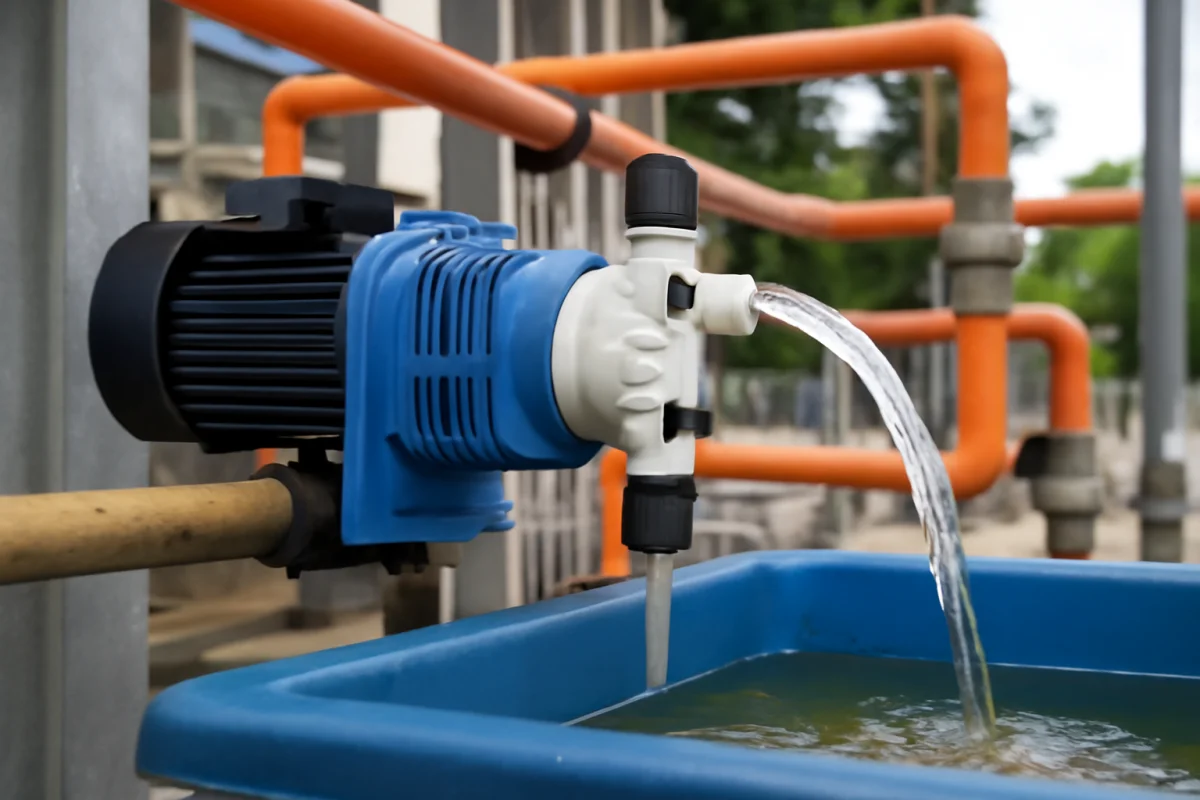
- Automated Chemical Dosing System: Installation of dosing pumps and digital controls for real-time adjustment based on water quality sensors.
- Staff Training: Hands-on guidance for local operators to monitor and maintain the new system.
Implementation Details
The automated dosing system replaced manual methods, using real-time monitoring data to ensure precise chemical delivery. The team also established scheduled water testing and reporting protocols, allowing for trend analysis and proactive adjustments. This dual focus on technology and human expertise ensured both reliability and adaptability. The deployment of a digital dosing system, specifically designed for the facility’s requirements, allowed for rapid response to changes in water chemistry, minimising the risk of scaling and corrosion. Additionally, the water treatment provider worked closely with plant staff, offering training sessions that improved onsite competency and confidence in operating the new system.
Result: Improved Water Quality, Efficiency, and Compliance
Following implementation, the facility observed:
- Consistent Water Quality: Water parameters remained within target ranges, reducing corrective maintenance.
- Reduced Scaling and Corrosion: Boilers and cooling towers operated more efficiently, with less downtime for cleaning or repairs.
- Lower Chemical Consumption: Automated dosing minimised wastage and optimised usage, reducing operational costs.
- Regulatory Compliance: Effluent water consistently passed audits, enhancing the facility’s environmental profile.
Additionally, operators reported smoother daily routines, and management noted fewer production interruptions. The use of advanced water treatment chemicals in Malaysia not only improved the plant’s operational stability but also contributed to its reputation as an environmentally responsible manufacturer. Over six months, the plant recorded a 20% reduction in chemical use, a decrease in maintenance events, and a complete elimination of non-compliance incidents during external audits.
Broader Industry Impact and Sustainability Considerations
This is representative of a growing trend across Malaysian industries, where smart water management and chemical treatment are integral to sustainable operations. As more facilities adopt advanced water treatment chemicals and automated systems, the cumulative benefits extend beyond compliance and cost savings. They also contribute to Malaysia’s broader environmental goals by minimising hazardous discharges and reducing the water footprint of industrial activities.
In addition, companies that invest in modern water treatment practices gain a competitive advantage by improving production reliability and extending the lifespan of critical assets. This approach aligns with Malaysia’s push for greater industrial sustainability and positions these businesses as leaders in responsible resource management. The shift towards customised, data-driven water treatment solutions is expected to accelerate as industries prepare for future regulatory changes and growing expectations from stakeholders and communities.
Lessons Learned and Best Practices
- Customisation is Key: Off-the-shelf chemicals may not address unique facility needs. Tailored solutions deliver better outcomes.
- Automation Reduces Risk: Digital dosing technology ensures accuracy and consistency, critical for both quality and compliance.
- Continuous Monitoring Matters: Regular water testing and trend analysis enable proactive problem-solving and optimisation.
- Training Empowers Teams: Investing in operator training maximises system benefits and minimises user errors.
- Partnership with Experts: Collaborating with experienced water treatment providers brings access to the latest innovations and best practices in the industry.
This demonstrates that investing in the right chemical solutions and modern dosing systems pays dividends—in performance, cost savings, and peace of mind. For Malaysian industries, adopting advanced water treatment chemicals is a proactive step towards operational excellence and environmental stewardship.
Conclusion: Advancing Industrial Water Treatment in Malaysia
The experience of this Malaysian facility illustrates the value of expert-guided water treatment chemical application. By moving beyond manual dosing and standard chemicals to a holistic, technology-driven solution, industrial operators can achieve higher efficiency, reliability, and compliance. As water quality regulations and sustainability demands continue to grow, embracing advanced solutions is no longer optional—it is essential for long-term success. Facilities across Malaysia should consider the lessons from this and explore innovative water treatment chemicals and automation, ensuring they are prepared for the evolving industrial landscape. For facilities seeking similar results, partnering with specialists who understand both the science and the operational realities of industrial water management is the best path forward.
Frequently Asked Questions (FAQs)
What types of water treatment chemicals are commonly used in Malaysian industries?
Common chemicals include antiscalants, corrosion inhibitors, biocides, flocculants, and pH adjusters. The exact mix depends on the facility’s water source and process needs.
How does automated chemical dosing benefit industrial facilities?
Automated dosing systems deliver precise chemical amounts based on real-time water quality data, reducing human error, chemical wastage, and ensuring consistent treatment results.
Why is customised water treatment important for industrial plants?
Each facility has unique water chemistry and operational requirements. Customising chemical treatment ensures better performance, reduces maintenance issues, and supports compliance.
How can facilities ensure ongoing compliance with water discharge regulations?
Regular water testing, continuous monitoring, and maintaining up-to-date treatment protocols help facilities stay compliant with Malaysian environmental standards.
Where can I find more information about industrial water treatment solutions?
You can explore technologies and services such as advanced water treatment, biological treatment, and chemical disinfection by visiting reputable providers or consulting with experienced water treatment companies.
Transform Your Facility with Expert Water Treatment Solutions
Ready to optimise your industrial water systems? Insignia Water combines advanced technology, proven chemicals, and local expertise to deliver reliable, compliant, and cost-effective water treatment for Malaysian industries. Discover how our customised solutions and the HYDOKEM chemical brand can help your facility achieve its water quality and operational goals.