

Top Mistakes to Avoid When Choosing a Wastewater Treatment System in Malaysia
For industrial facilities in Malaysia, choosing the right wastewater treatment system Malaysia offers is a decision with lasting impact. The wrong choice can lead to regulatory issues, operational inefficiencies, costly upgrades, and environmental harm. As industrial compliance and sustainability standards continue to rise, making informed decisions is more critical than ever. This guide highlights the most frequent mistakes industrial decision-makers make and offers practical advice to ensure your facility invests in an effective, compliant, and reliable solution tailored to Malaysia’s unique regulatory and environmental context.
Not Assessing Wastewater Characteristics Thoroughly
One of the most common errors is failing to analyze wastewater composition accurately before system selection. Industrial wastewater varies greatly depending on your processes, chemicals used, and operational scale. Without a detailed assessment—including flow rates, pH, organic content, heavy metals, and other contaminants—you risk installing a system that can’t handle your actual load.
This oversight often leads to inadequate treatment, non-compliance with local discharge regulations, and increased operational costs. Avoid this mistake by partnering with providers who offer comprehensive water testing and site audits before recommending solutions. Learn more about advanced wastewater treatment technologies designed for Malaysian industries. Additionally, a thorough characterization should consider batch versus continuous flows, variability in contaminant concentrations, and the presence of emerging pollutants, such as pharmaceuticals or microplastics, which are increasingly relevant for compliance and environmental safety.
System Sizing Errors: Underestimating or Overestimating Needs
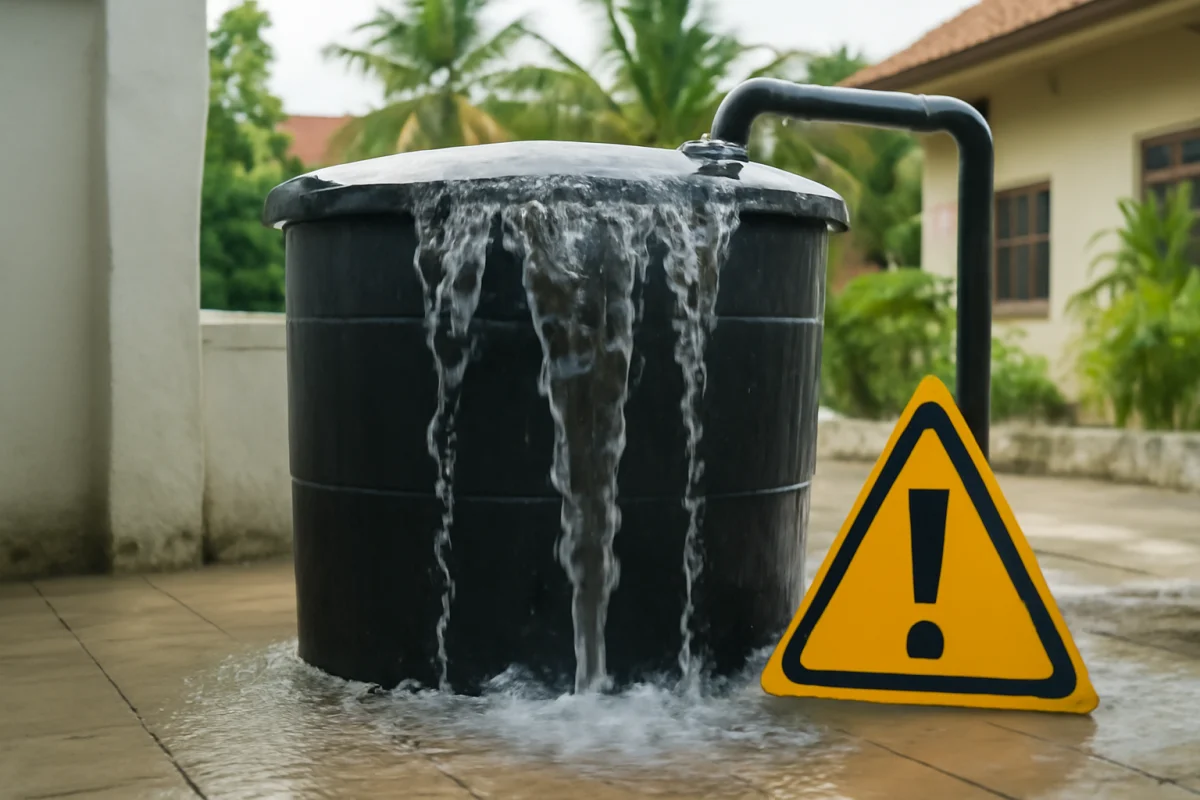
A system that’s undersized will struggle during peak loads, potentially causing overflows, equipment strain, and environmental violations. Conversely, an oversized system results in unnecessary capital expenditure and higher running costs. Both extremes are avoidable with precise calculations based on actual and projected wastewater volumes.
Work with specialists who consider your operational patterns, future expansion, and seasonal variations. Tools like flow monitoring and live test results can provide valuable data. Explore live test results for informed system sizing. Remember that industrial production in Malaysia often fluctuates seasonally, and incorporating safety margins in design, while avoiding excessive oversizing, is crucial for both compliance and operational efficiency. Consider also the potential for changes in production lines or product mixes, which may impact future wastewater characteristics and volumes.
Ignoring Regulatory Compliance and Local Standards
Malaysia has clear guidelines for industrial wastewater discharge set by the Department of Environment (DOE). Overlooking these standards can result in non-compliance, fines, and even plant shutdowns. Too often, facilities install systems based on generic designs or overseas standards that do not meet local regulatory requirements.
Always verify that your selected treatment system is designed to comply with Malaysian effluent standards. Engage with providers who are experienced in local regulations and can ensure your plant remains compliant as rules evolve. Note that Malaysia’s Environmental Quality (Industrial Effluent) Regulation 2009 outlines specific parameters and limits, such as BOD, COD, suspended solids, and heavy metals, which must be met. Regularly review updates from the DOE, as Malaysia continues to strengthen its environmental protection framework, and ensure your provider offers ongoing compliance support and documentation.
Overlooking System Flexibility and Future-Proofing
Your facility’s needs may change as production processes evolve or capacity increases. Selecting a rigid, non-modular system can limit your ability to adapt, leading to costly retrofits. Instead, choose solutions that allow for future upgrades, modular expansion, or process changes without complete replacement.
Modern water treatment solutions—such as biological, chemical, and filtration systems—can be designed for scalability and adaptability. See how biological treatment options can offer flexibility for growing operations. In rapidly developing sectors such as palm oil, food processing, and electronics manufacturing, future-proofing your wastewater treatment system in Malaysia is vital. Modular designs and systems with adjustable process controls enable facilities to respond to regulatory changes, production growth, or the introduction of new product lines without incurring major capital costs. Additionally, consider systems that can integrate new technologies such as advanced oxidation processes (AOPs) or membrane filtration when needed.
Neglecting Operation, Maintenance, and Monitoring
Another frequent mistake is focusing solely on installation cost, ignoring the long-term implications of system operation and maintenance. Complex systems without adequate automation or monitoring can quickly become burdensome, leading to breakdowns or inconsistent treatment performance.
Prioritize systems that feature automatic chemical dosing, online monitoring, and easy maintenance. Regular water testing and plant optimisation services ensure continued efficiency and compliance. Discover water treatment technologies that simplify maintenance and monitoring. Establish a preventive maintenance schedule and train your operations team to recognize early warning signs of system inefficiency. Digital monitoring solutions can enable remote diagnostics, predictive maintenance, and real-time reporting, all of which contribute to reduced downtime and improved overall plant performance. Remember, a well-maintained system not only ensures compliance but also extends the lifespan of your investment and reduces total cost of ownership.
Underestimating the Importance of Water Reuse and Resource Recovery
Many facilities still view wastewater solely as a disposal problem rather than a resource. By neglecting opportunities for water reuse or resource recovery, industrial plants may miss significant cost savings, sustainability benefits, and regulatory incentives. Modern wastewater treatment system Malaysia solutions are increasingly designed to reclaim water for non-potable uses such as cooling, cleaning, or irrigation, and to recover valuable byproducts like biogas, nutrients, or metals.
Evaluate the feasibility of closed-loop water systems or partial reuse, particularly in water-scarce or high-cost regions. Not only can this reduce your water footprint and operating expenses, but it may also position your facility as a leader in sustainable manufacturing, which is increasingly demanded by global supply chains and local consumers.
Relying on Inexperienced or Non-Specialist Providers
Choosing suppliers without proven experience in industrial water and wastewater treatment can result in generic, poorly tailored solutions. Industrial facilities should work with providers who understand the unique challenges of Malaysian industries and can deliver end-to-end solutions—from initial testing to system optimization and after-sales support.
Look for partners offering both equipment and chemical solutions, with expertise in system customization and plant efficiency improvements. This approach ensures that your investment delivers long-term results and peace of mind. Ask for references, case studies, or site visits to similar facilities in Malaysia to verify the provider’s track record. The best partners can also provide operator training, troubleshooting, and continuous improvement recommendations, ensuring your system adapts as your needs evolve.
Conclusion: Invest Wisely for Compliance and Operational Excellence
Selecting an effective wastewater treatment system in Malaysia is about more than meeting today’s needs. It requires careful planning, accurate assessment, and collaboration with experienced experts. By avoiding these common mistakes, your facility can achieve regulatory compliance, operational efficiency, and sustainable water management well into the future. In today’s competitive industrial landscape, forward-thinking investment in the right wastewater treatment system Malaysia offers is not just a requirement—it’s a strategic advantage that safeguards your operations, reputation, and bottom line.
Frequently Asked Questions (FAQs)
What are the most important factors when selecting a wastewater treatment system in Malaysia?
The most important factors include a thorough analysis of your wastewater characteristics, compliance with Malaysian DOE regulations, correct system sizing, operational flexibility, and ongoing maintenance requirements.
How can I ensure my wastewater treatment system is compliant with Malaysian regulations?
Work with experienced providers familiar with DOE standards in Malaysia. Ensure your system is designed for local effluent requirements and stays updated as regulations evolve.
Why is system sizing critical for wastewater treatment plants?
Proper sizing prevents issues like overflows, equipment failure, and non-compliance. It also avoids unnecessary expenses from oversized systems. Accurate sizing is based on actual flow rates and projected operational changes.
Can wastewater treatment systems be upgraded or expanded later?
Yes, modern systems can be designed for flexibility and modular expansions. Choosing a future-proof solution helps accommodate changes in production or regulatory requirements.
What are the risks of ignoring regular maintenance and monitoring?
Neglecting maintenance can lead to system failures, inconsistent treatment quality, regulatory breaches, and increased operational costs. Automated monitoring and scheduled servicing help maintain optimal performance.
Ready to Upgrade Your Wastewater Treatment System?
Partner with Insignia Water for customized, compliant, and future-ready wastewater treatment solutions in Malaysia. Benefit from industry-leading expertise, end-to-end support, and proven technologies designed for your facility’s needs.